

New Hampshire's Private School Enrollment Surges Amid Voucher Controversy

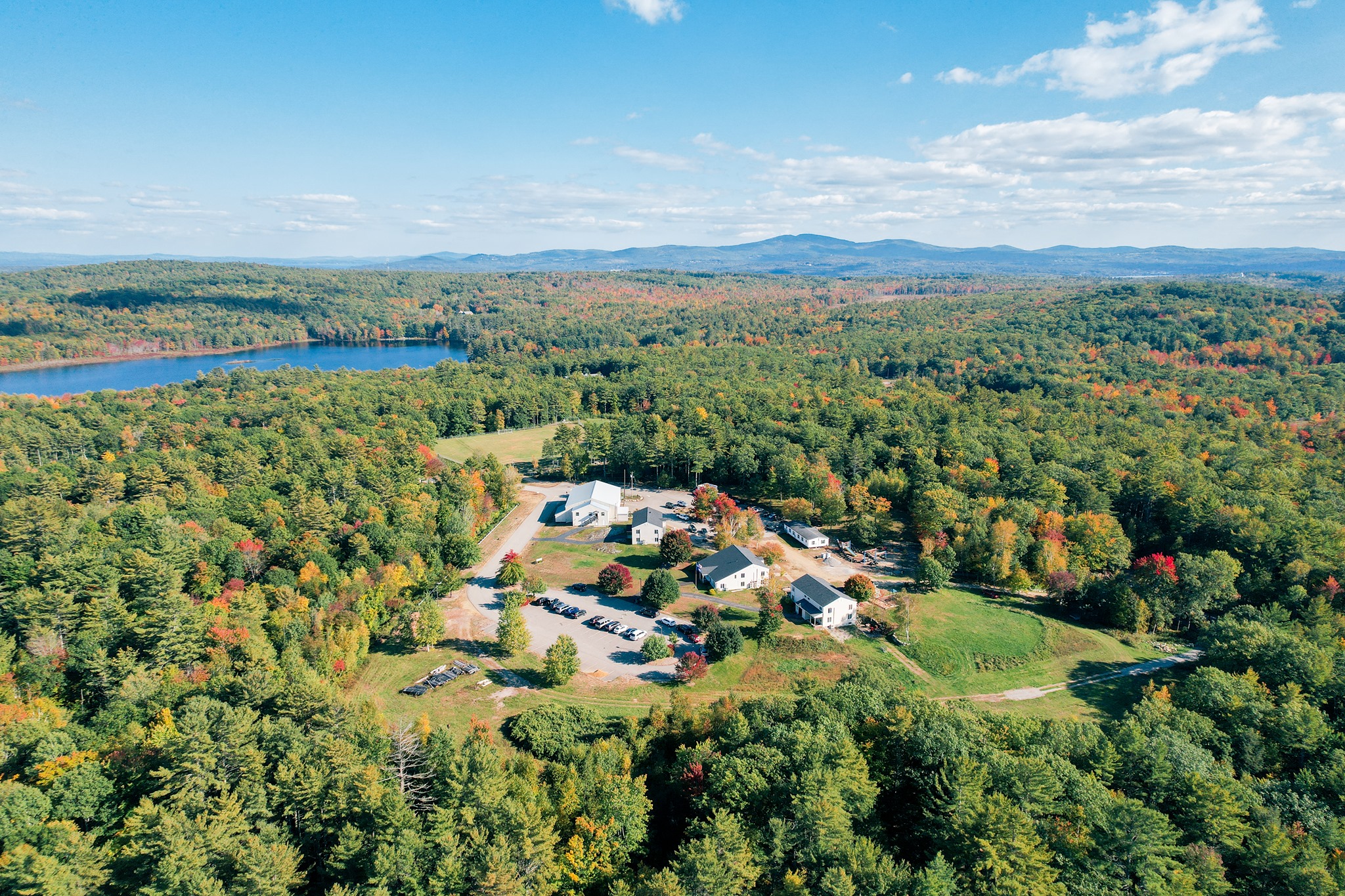
LACONIA, N.H. — A lively Christmas concert at Laconia Christian Academy took a surprising turn when a fire alarm interrupted a group of young children, aged 4 and 5, dressed in colorful outfits and ready to perform. This spectacle may have been momentarily disrupted, but it symbolizes a significant trend, as Laconia's elementary school enrollment has skyrocketed by 130% since 2020, contrasting with the overall decline in public school enrollment across New Hampshire.
The increase in enrollment can be largely attributed to New Hampshire’s Education Freedom Account program, which allows students access to taxpayer funds for tuition towards private schooling. According to Head of School Rick Duba, almost every student at Laconia Christian Academy benefits from this program, making it accessible regardless of family income levels.
In a groundbreaking move, New Hampshire became the 18th state to introduce a universal private school choice program, with Governor Kelly Ayotte noting that “Giving parents the freedom to choose the education setting that best fits their child’s needs will help every student in our state reach their full potential.” This initiative has sparked ongoing debates about the implications of such programs on funding and accountability in education.
Concerns raised by Democrats and public school advocates highlight the potential consequences for public education, particularly as discussions about President Donald Trump’s forthcoming federal voucher program, scheduled to begin in 2027, gain momentum. Douglas Harris, a scholar at Tulane University, observes that private school voucher programs indicate a significant transformation in K-12 education since the landmark Brown v. Board of Education case, citing the historical context of voucher systems stemming from resistance to desegregation in the 1950s.
The present educational landscape in New Hampshire reveals that families utilizing the universal school choice program receive an average of $5,200 per year to defray private school tuition or cover homeschooling costs. This has led to an increase in enrollment at small Christian schools, with a notable proportion of funding directed towards these institutions.
While the Education Freedom Accounts have become popular, the state has ceased releasing comprehensive data regarding funding allocations. The Children’s Scholarship Fund provides some insights but mostly points to a majority of recipients attending Christian schools.
Research conducted by Harris indicates a clear rise in private school enrollment, especially in smaller Protestant institutions such as Laconia. Anticipation surrounding a forthcoming federal tax credit program is expected to further facilitate funding to these educational establishments.
Christian schools, often with lower tuition fees, offer a financial advantage when augmented by subsidies. Duba states that while teachers in these schools typically earn less due to their commitment seeing their work as a ministry, he aspires to provide adequate financial compensation.
Parents, like Nick Ballentine, select Laconia for its faith-based approach to education and smaller class sizes, expressing concerns about public schooling options and government regulations. Laconia Christian Academy distinguishes itself with unique initiatives like TimberNook, which engages students in extensive outdoor learning while incorporating faith into its curriculum without imposing a requirement for a “profession of faith.”
This broad school choice initiative is indicative of a historical push by evangelical Protestants to shape public education and redirect funds towards Christian schooling, intertwined with larger cultural discussions around educational content.
Despite the shifting enrollment dynamics, public schools in New Hampshire maintain a stable percentage at 90%, although specific areas, such as Rindge, are experiencing fiscal pressures with around 30% of students utilizing Education Freedom Accounts, directing funds away from public education.
Megan Tuttle, president of the New Hampshire teacher union, asserts that public schools are facing financial hardships as funding is reallocated to EFAs. Duba suggests, however, that since EFAs do not cover the full educational costs, schools may actually benefit when students transition out.
The ongoing expansion of this program encounters growing opposition, yet with the Republican majority, New Hampshire's commitment to school choice policies appears poised to persist. The anticipated national education tax credit initiative may also broaden these debates to additional states.