

More Americans Face SNAP Cuts Amid Legislative Debates Over Food Stamps

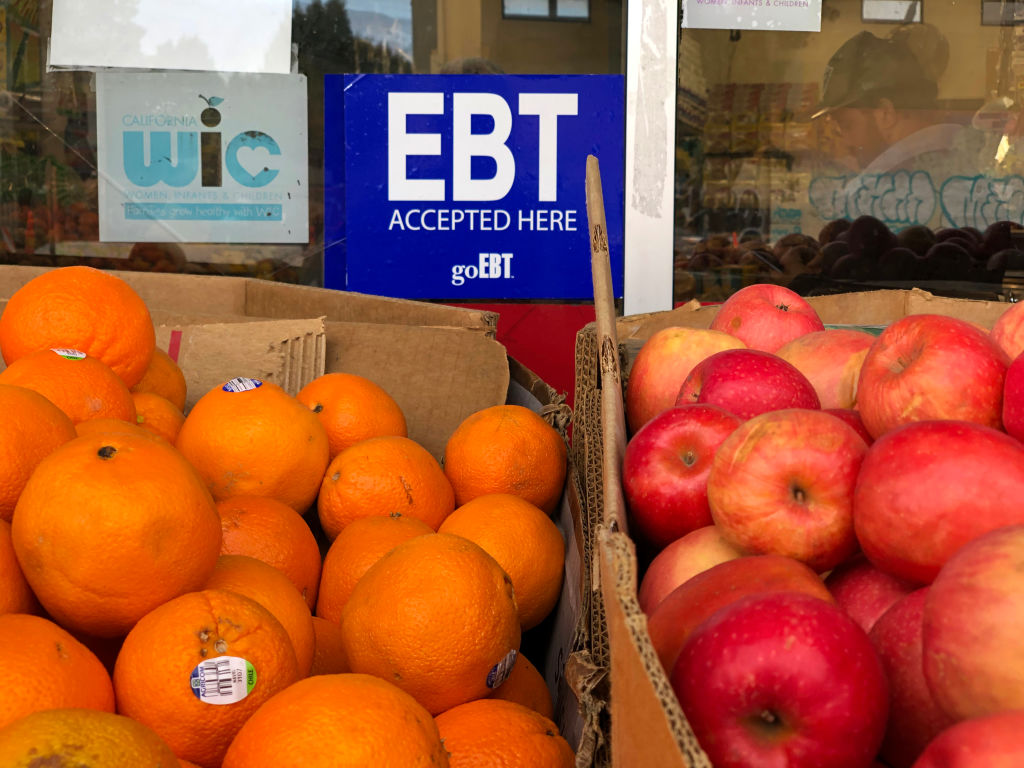
Tens of thousands of individuals in the United States are facing cuts to their food assistance benefits each month, despite ongoing discussions in Congress regarding the future of the Supplemental Nutrition Assistance Program (SNAP). Recent data from the U.S. Department of Agriculture indicates that in just one month, over 330,000 people lost their SNAP benefits, building on a trend affecting more than 5 million overall since the enactment of the One Big Beautiful Bill Act in July.
Impact of the One Big Beautiful Bill Act
The One Big Beautiful Bill Act has significantly altered SNAP eligibility by reducing taxes and federal safety programs, ending certain work exemptions, and shifting costs to state governments. A study by the Food Research and Action Center highlights that every state, with the exception of Alaska, has seen a decline in SNAP participation. Alaska's unique situation, characterized by high food prices and elevated unemployment rates, sets it apart from the national trend.
State-Level Statistics
In Arizona, the number of individuals relying on SNAP has halved since July 2025, with around 421,000 beneficiaries recorded in June. Louisiana has experienced a reduction of more than 173,000 participants, translating to a 22% drop, while Illinois reported over 368,000 fewer recipients, or roughly 20% less. These declines are occurring against a backdrop of rising grocery prices, prompting advocates to urge Congress to reconsider the current SNAP cuts.
Congressional Response and Legislative Actions
Although various leaders and nonprofit organizations are advocating for a comprehensive repeal of the reductions, the Republican-controlled Congress has only consented to a delayed implementation of some provisions. Currently, the Senate is deliberating on the farm bill, which allocates funding for SNAP and other essential programs. Recently, the Senate Agriculture Committee approved a proposal to postpone the shift in costs associated with SNAP for one year, while Democrats sought a two-year extension.
Future Challenges for States
If Congress ultimately passes this bill, states will face a deadline of September 30 to improve their error rates by October 2028 to avoid incurring additional costs. Implementing new information technology systems and budgetary processes poses significant challenges for these states. As noted by Lauren Kallins of the National Conference of State Legislatures, historically, SNAP benefits have not been part of state budgets since federal funds are typically issued directly to recipients.
“There are lots of questions about how and when the cost share will be paid,” Kallins articulated. “Will this be in real time as benefits are issued? Will it be reconciled at a later date? We don’t know.”
Advocacy Groups' Concerns
Supporters of SNAP, including figures like Arkansas U.S. Senator John Boozman, contend that the current error rates indicate a need for improvements in state program management. Nevertheless, advocacy organizations argue that merely postponing changes for one year will not sufficiently protect states or those relying on SNAP. Crystal FitzSimons from the Food Research and Action Center has called on senators to reject the Farm Bill, asserting that Congress needs to reverse cuts to SNAP and tackle the financial burdens placed on states to adequately support families and farmers.