

Michigan Senate Race 2024: Candidates' Positions on Key Issues

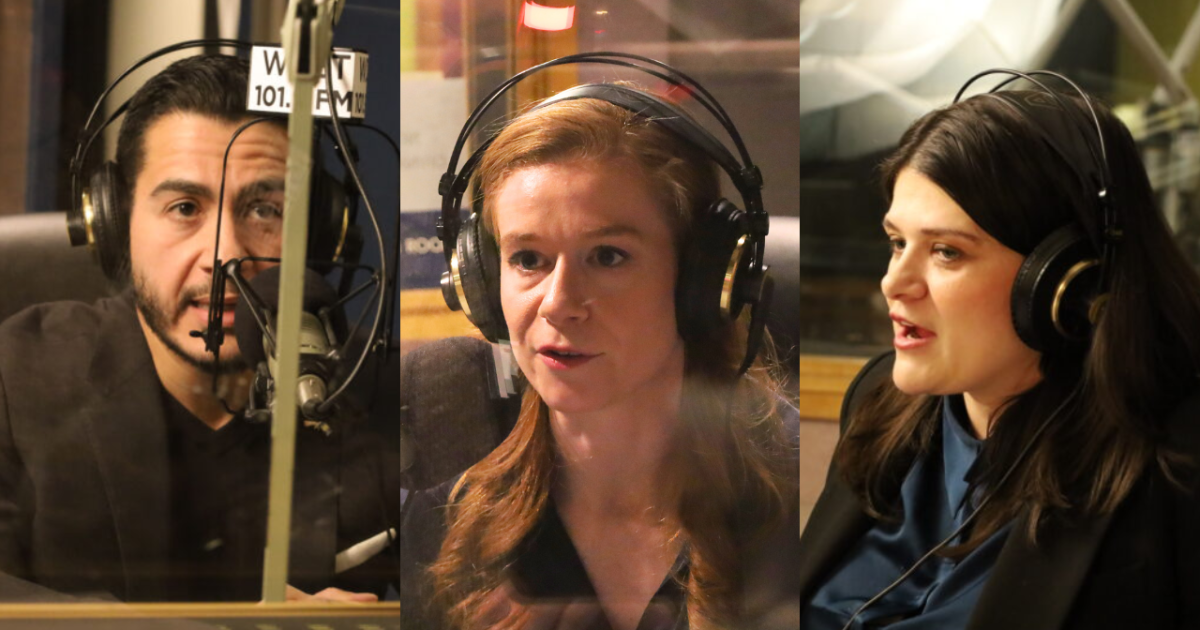
Michigan is currently witnessing a fiercely contested Senate race that has drawn national attention, featuring notable figures from both the Democratic and Republican parties. Former Republican Mike Rogers is set to challenge incumbent Democrat Elissa Slotkin, while a competitive Democratic primary is underway with candidates including Congresswoman Haley Stevens, State Senator Mallory McMorrow, and Dr. Abdul El-Sayed vying for the nomination to succeed Gary Peters.
Healthcare Policy Views
Central to the candidates' campaigns are their differing stances on healthcare. Dr. Abdul El-Sayed advocates for a comprehensive "Medicare for All" framework, highlighting the necessity of universal health coverage. He stated, “If you like your insurance through your employer or through your union, I hope that will be there for you. But if you lose your job, if your factory shuts down, you shouldn’t be destitute without the health care that you need and deserve so.”
On the other hand, Mallory McMorrow proposes a public option while preserving private insurance, emphasizing the complexity of the U.S. healthcare landscape. She mentioned, “I think it’s too big of a challenge... They don’t say that they want one single system. They say, I want the insurance that works for me.”
Haley Stevens is focused on enhancing the Affordable Care Act, particularly by making tax subsidies more consistent, as previous fluctuations under Republican governance have led to reduced enrollment numbers.
LGBTQ Rights Under Scrutiny
The candidates also confront issues surrounding LGBTQ rights, particularly in light of recent Republican pushes against transgender rights. McMorrow suggests that socioeconomic frustrations are often misattributed to the trans community, advocating for a focus on the root causes of these issues. Stevens has taken a clear stance in favor of LGBTQ rights, notably opposing the Protection of Women and Girls in Sports Act.
El-Sayed contributes to this discourse by insisting on strong Democratic advocacy for transgender rights, asserting, “I believe that rights are rights are rights. And when you assent to somebody taking away somebody else’s rights, you are at some point assenting to somebody coming for yours.”
Approaches to Immigration Policy
Immigration remains a contentious issue, with varied opinions on the role of ICE among the candidates. Stevens calls for a complete overhaul of ICE, while McMorrow supports the agency but with significant reforms aimed at improving border security without intimidating local communities. In contrast, El-Sayed advocates for abolishing ICE, criticizing its militarization.
Debate Over Wealth and Ethics
The ethical implications of billionaire wealth is another focal point in this race. McMorrow acknowledges some billionaires, citing Mark Cuban as a positive example, while El-Sayed condemns the systemic nature of wealth accumulation that leads to billionaire status, advocating for economic reforms that ensure dignity for all. Stevens emphasizes the need for equitable taxation on the wealthy.
Funding Sources in Campaigns
As candidates navigate campaign funding, both El-Sayed and McMorrow have opted out of corporate donations, positioning themselves as independent from corporate interests. El-Sayed draws attention to his campaign's avoidance of such funds, whereas Stevens has accepted a variety of contributions, including those from organizations such as AIPAC.
Middle East Policy Perspectives
In the context of international affairs, particularly regarding the Israel-Palestine conflict, Stevens supports a two-state solution while advocating for mutual dignity and peace. McMorrow expresses concern over the negative impacts on Palestinian populations, and El-Sayed strongly criticizes U.S. support for Israeli actions, labeling them as genocide and urging an end to financial aid tied to such offenses.
Calls for Party Leadership Reform
As the Democratic Party faces declining support, McMorrow emphasizes the need for revitalized leadership. El-Sayed mentions a disconnect between the party and its base, whereas Stevens prefers to concentrate on local issues rather than broader national party dynamics.
Reforming the Supreme Court
Given recent controversial Supreme Court decisions, the candidates have put forth various proposals for reform. Stevens advocates for ethical reforms, McMorrow considers structural modifications, and El-Sayed suggests a systematic approach to judicial appointments to uphold constitutional integrity.