

Michigan Senate Moves to Ban AI-Generated Sexual Deepfakes

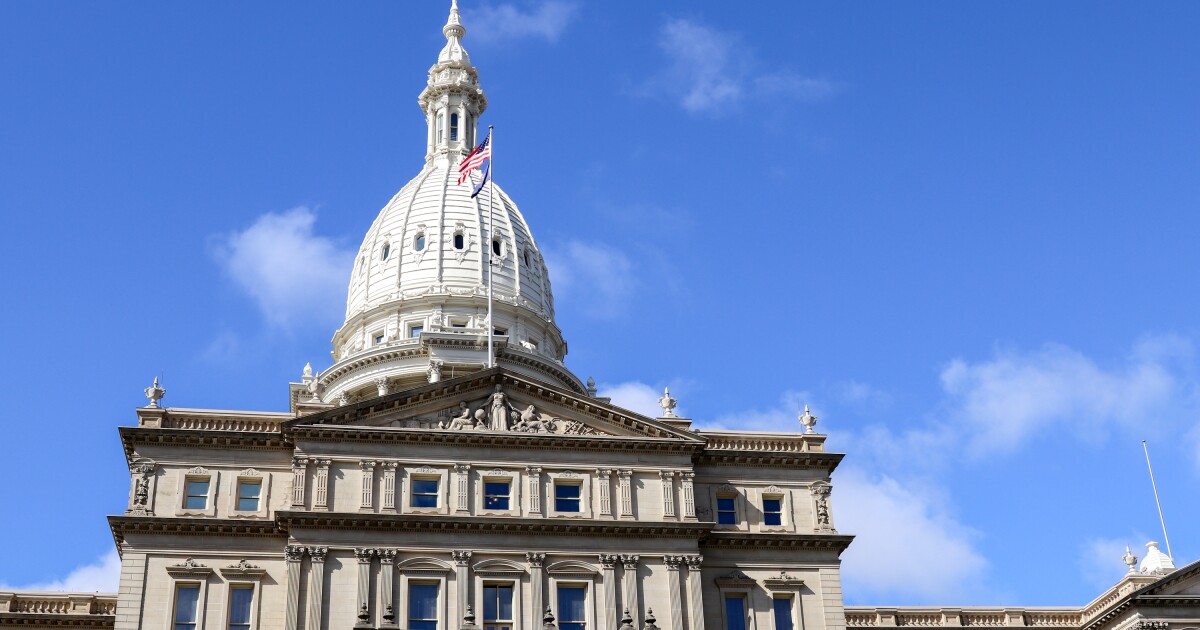
Michigan Senate Takes Action Against AI-Generated Explicit Materials
In a proactive move to combat the rise of AI-generated explicit content, a committee within the Michigan state Senate has advanced legislation aimed at outlawing this type of material. The proposed laws focus on the unauthorized creation of images, videos, and audio that involve individuals without their consent. To delve deeper into the details of this legislation, visit the official document.
This legislative effort is co-sponsored by Representative Matthew Bierlein (R-Vassar), who highlights the significant challenges posed by deepfakes, especially in educational environments. Bierlein notes, “It’s hard enough, especially our youth, to live in a world where everything is recorded digitally. Every action, every mistake, everything they do, there’s a digital record of. And to have people compound that with things that just aren’t true, we need to do something about it.”
The bills categorize the creation of explicit deepfakes as either a misdemeanor or felony, with the specific charges dependent on the extent of harm caused to the victims. Although extortion utilizing these materials is already prohibited under current laws, existing legal frameworks do not adequately cover the production of the content itself.
Bierlein further elaborates on the need for state-level legislation, stating, “Even though this is a broad-reaching topic and it certainly crosses state lines, there just hasn’t been a lot of federal action on it. And so, we thought it was better for us to not wait around.” This highlights a gap in federal regulations that has prompted state action.
Historically, federal proposals have sometimes conflicted with state initiatives, exemplified by earlier drafts of the One Big Beautiful Bill Act under the Trump administration, which sought to limit state regulation of AI.
Although similar proposals struggled to pass in the past, these new bills are positioned for a full vote in the state Senate, signaling a potential shift in legislative action against AI-generated explicit content.