

Michigan Schools Fear Transportation Funding Cuts Amid Budget Overhaul

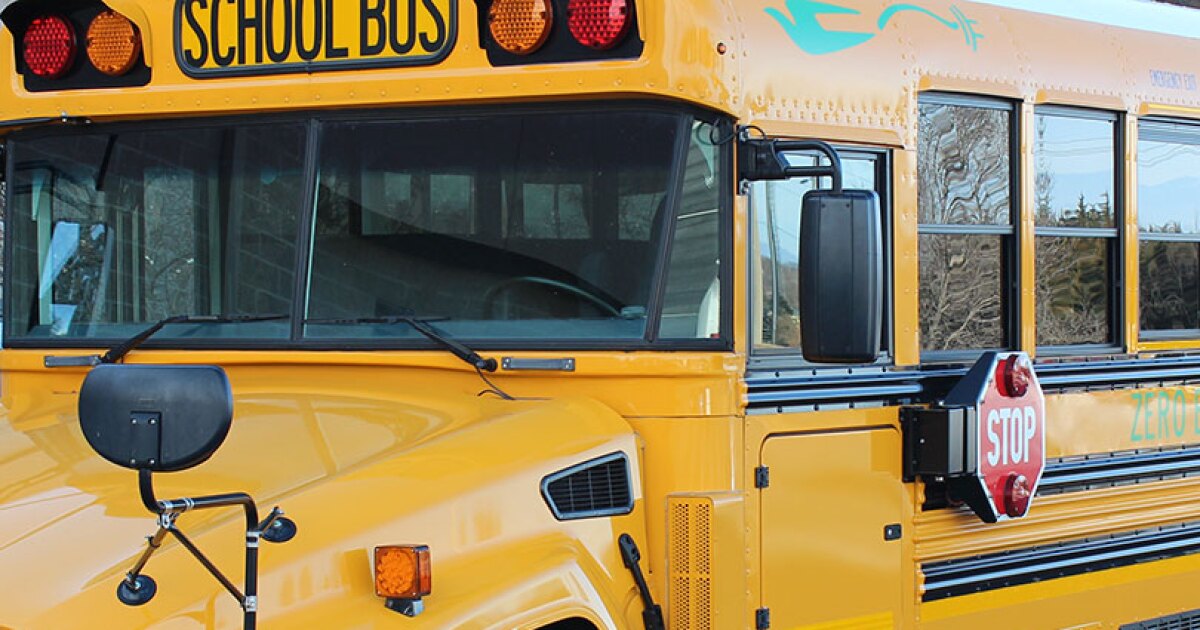
Concerns Rise Over Transportation Funding Cuts in Michigan Schools
As Michigan confronts a proposed budget overhaul, school districts, particularly in rural areas, are voicing significant concerns regarding the potential impact on transportation funding. The Republican-led Michigan House is advocating for changes that would dismantle specific financial allocations for school bus services, which could severely affect districts like Escanaba Area Public Schools.
Coby Fletcher, the superintendent of Escanaba Area Public Schools, articulated the importance of transportation funding, which accounted for approximately $266,000 in the previous year. This funding is instrumental in maintaining a fleet of 15 buses that service numerous miles each year. Fletcher noted, “these funds equate to the cost of hiring four new teachers,” emphasizing the critical role these resources play in the school’s operational budget.
The proposed budget outlines a removal of designated transportation allocations, instead replacing it with an increase in overall per-pupil funding. This shift has been examined by the nonpartisan House Fiscal Agency. While it suggests more flexible spending, there are fears that this could create inequities among districts that depend heavily on transportation services versus those that do not.
Fletcher commented on the implications of this change: “Even though we’re all getting the same amount of money, times however many pupils that we have, I am now going to have to use a bigger piece of that than somebody else will to pay for my transportation costs when I would have previously received money above and beyond that to help offset my transportation costs.”
This strategy is part of a broader initiative to streamline what are labeled “categorical grants,” which were previously allocated for specific needs like transportation and tutoring. The Republican government suggests that merging these grants into general funding offers schools the flexibility to prioritize their spending, yet this may lead to competition for resources within districts.
According to Craig Thiel of the Citizens Research Council of Michigan, while the proposed budget delivers increased fiscal flexibility, it also raises concerns about program viability as schools compete for a limited budget. Superintendent John VanWagoner of Traverse City Area Public Schools has expressed serious apprehension about this shift. His district, which serves numerous students in rural contexts, currently allocates around $6 million to transportation, including $1 million sourced from categorical grants. He warned that these proposed changes could disrupt this financial balance and create inequitable funding scenarios.
“Here’s the problem,” VanWagoner noted, drawing attention to potential disparities, “What about the district that’s wealthy and has no poor kids and doesn’t provide transportation? What do they do with their money?”
Proponents of this budget shift, such as Representative Tim Kelly, defend the move as a way to provide districts with more freedom to manage their own funds, allowing for tailored local solutions. Kelly has criticized opponents who favor a more centralized decision-making process, arguing that it diminishes accountability.
The Mackinac Center for Public Policy’s Molly Macek echoed these views, suggesting that the proposal’s contentious nature stems from uncertainty surrounding how districts will adapt to increased financial discretion. She advocates for the potential benefits of heightened funding and flexibility, which may enable schools to better meet their students’ requirements.
Moreover, while acknowledging that the number of categorical grants may be excessive, the long-term effects of the budget remain to be clearly understood. Michigan is currently assessing three distinct budget proposals, with the Michigan House proposing a $21.9 billion school funding plan. In contrast, Governor Gretchen Whitmer has suggested a $21.2 billion, while the Senate proposes $21.8 billion.
With the academic calendar already in motion and the budget deadline approaching on October 1, many districts find themselves in a precarious position, potentially facing the necessity to <a target="_blank" href="https://www.michiganpublic.org/politics-government