

Michigan's 2026 Budget: Whitmer's Proposals Meet GOP Resistance

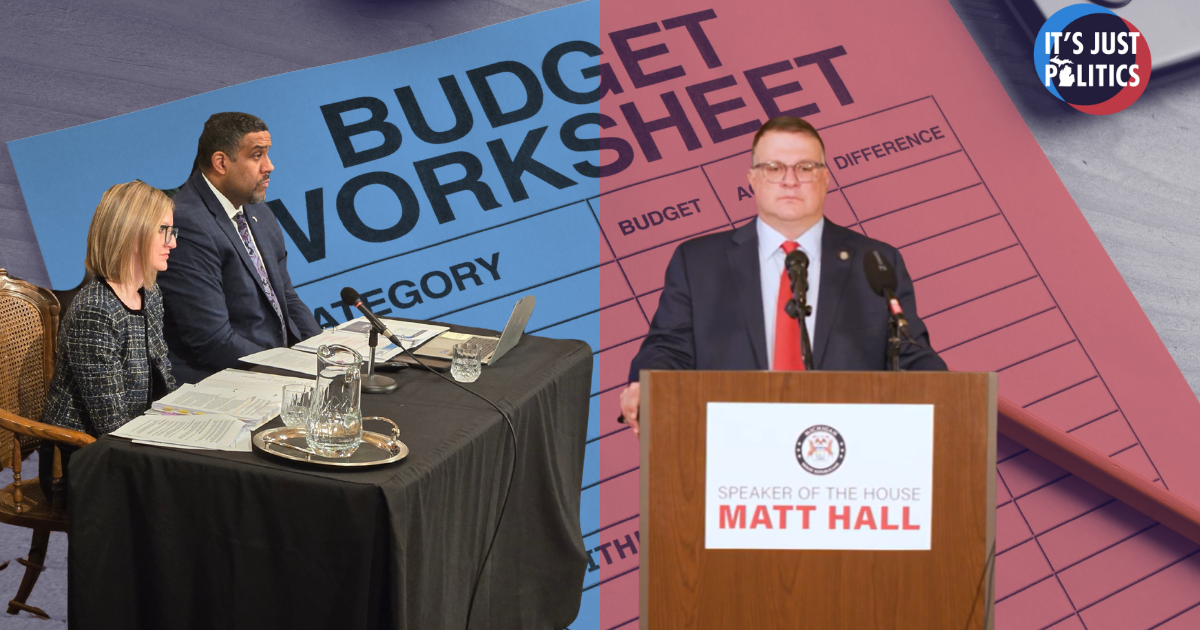
Michigan's 2026 Budget Discussions Intensify Amid Political Challenges
As Michigan gears up for the 2026 budget discussions, Governor Gretchen Whitmer faces significant challenges even before presenting her budget proposal. With the GOP leading the House, Speaker Matt Hall has made it clear that proposals for new taxes, including a nicotine tax and those related to online gaming and delivery services, will not be welcomed. Hall asserted, “There are going to be no tax increases in this budget.”
This position reflects the pressure building ahead of Whitmer's upcoming State of the State address, where she is expected to outline her vision for the fiscal year. As her term nears its end, the governor must navigate the delicate balance between introducing new initiatives and maintaining fiscal stability.
The backdrop of these negotiations is characterized by a collaborative revenue projection among the House, Senate, and the Whitmer administration, which predicts little to no growth in revenue as the new fiscal year approaches in October. The Consensus Revenue Estimating Conference in May will be crucial, as updated economic forecasts may reshape budget discussions, particularly if economic values decline.
Concerns are rising over whether Michigan will face a repeat of past budgetary conflicts or even a government shutdown as the October deadline looms. Brad Williams, a veteran lobbyist in Lansing, has pointed out the urgency of resolving the budget quickly, especially for incumbents eager to appeal to voters in contentious districts. He noted, “Everybody wants this done and to get it done quickly.”
While Michigan's fiscal year starts on October 1, coinciding with early voting, state law stipulates that the budget must be finalized by July 1. Although there are no penalties for failing to meet this deadline, timely budgeting is essential for local governments that align their fiscal years with the state’s schedule. The issue of fiscal responsibility is increasingly significant, with local officials seeking clarity on anticipated state funding.
Amanda Fisher, a representative from the National Federation of Independent Businesses, expressed a sense of optimism, recalling the prior year’s road funding agreement as a potential indicator of more straightforward negotiations in 2026. “I’m hoping there was so much heavy lifting in the last session that this time should be a lot easier,” Fisher stated.
Political Landscape Complicates Budget Proposals
With a gubernatorial election on the horizon this November, the entrance of independent candidate Mike Duggan, the former mayor of Detroit, adds further complexity to the budgeting timeline. His campaign could draw attention to any governmental delays, framing the discussion around overcoming partisan divides.
In her budget proposal, Governor Whitmer is also expected to suggest increases in fees for various licenses related to hunting, fishing, and boating, as well as for landfill dumping. These proposals may attract opposition from influential interest groups and lobbyists. Furthermore, an ongoing lawsuit challenging a wholesale marijuana tax could adversely affect budget projections if the ruling is unfavorable.
For ongoing updates regarding Michigan's political and economic landscape, readers can subscribe to the related newsletter or engage with the It’s Just Politics podcast for deeper analysis and news insights.