

Michigan Legislature Races Against Time to Finalize State Budget

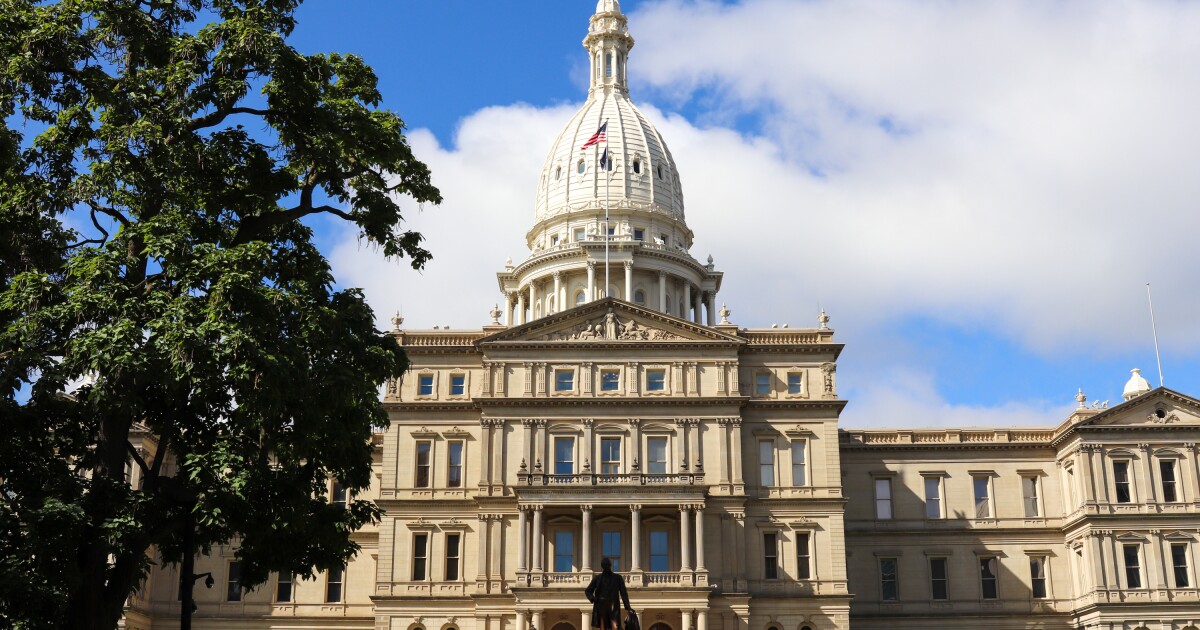
Michigan Legislature Works Towards Timely Budget Approval
As the state fiscal year approaches its end, Michigan legislators are actively engaged in efforts to finalize the state budget before the critical deadline at midnight Wednesday. Without an approved budget, essential public services could face disruptions due to a potential partial government shutdown.
Governor Gretchen Whitmer's administration has kept quiet on any plans to handle a shutdown scenario and has not given any updates to state employees regarding possible layoffs. Currently, Whitmer, along with leadership from both the House and Senate, is concentrating on the extensive budgetary negotiations required to meet the looming deadline. The Michigan Constitution mandates a balanced budget, which underscores the urgency of the situation.
Since late last week, there has been a heightened urgency to expedite the budget process. Officials from the Whitmer administration, along with legislative appropriations committees, have been involved in continuous discussions. Notable advancements were made when Whitmer, Senate Majority Leader Winnie Brinks (D-Grand Rapids), and House Speaker Matt Hall (R-Richland Township) revealed significant agreements. The agreements include the introduction of a new wholesale tax on marijuana to fund infrastructure improvements and adjustments for income tax exemptions for tips, overtime compensation, and Social Security benefits.
On Friday, both the House and Senate appropriations committee chairs announced that spending targets had been identified for various segments of the state budget. The next steps include negotiating specific funding levels, program priorities, and many of the detailed items that will be part of the budget bills. Once these specifics receive approval from leadership, the budget bills will be introduced, leading to increased activity among legislators, staff, lobbyists, and interest groups aiming to facilitate the swift passage of the budget.
The delay in budget approval has already created uncertainty for K-12 schools, local governments, community colleges, and public universities, all of which began their fiscal years in July. These organizations will face challenges in modifying their financial strategies based on the outcomes of the budgetary processes taking place in Lansing this week.