

Michigan Lawmakers Debate Limiting Attorney General's Legal Authority
- Better American Media

- Dec 11, 2025
- 3 min read
Proposed Legislation May Restrict Michigan Attorney General's Powers
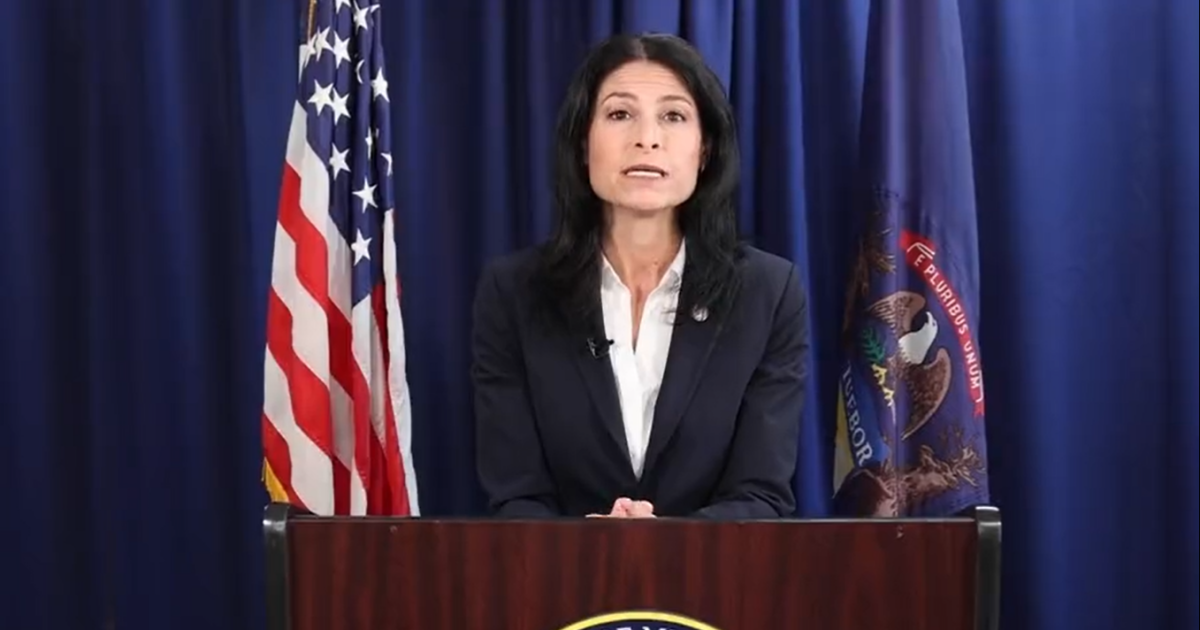
In a development that could significantly alter the operational landscape for the Attorney General's office in Michigan, lawmakers are currently reviewing a series of legislative proposals aimed at limiting the authority of the attorney general. If passed, these bills would mandate that the attorney general acquire approval from either the governor or the Legislature before stepping into ongoing legal matters, a notable shift from the existing law that permits autonomous intervention whenever deemed necessary.
The push for these changes is spearheaded by State Representative Jay DeBoyer (R-Clay), who cited a specific instance during a committee session where the attorney general took action against health order violations linked to COVID-19 after local prosecutors decided against pursuing the case. DeBoyer outlined the rationale behind the proposed oversight, stating, “The rights that are granted to the attorney general and the attorney general’s actions are created by the statutes that the Legislature has put in place and that the governor signs into law. We don’t want to create anybody that’s a king and the attorney general certainly should not have complete autonomy with regard to these things.”
Supporters of the bills argue that this requirement for executive or legislative consent would enhance collaborative governance and better align the attorney general's office with other branches of government. However, dissent was expressed by committee Democrats, highlighting concerns that such restrictions could delay the attorney general's ability to act swiftly in urgent legal situations. State Representative Kelly Breen (D-Novi) remarked, “Time and time again, the legislature has demonstrated we cannot turn on a dime. And most of these decisions that an attorney has to make when they are intervening, or they are seeking to intervene, or have to respond to something, you have to be able to respond in that moment.”
The proposed regulations specifically limit the proposed intervention power to cases within state-level courts and tribunals. Currently in federal cases, Michigan Attorney General Dana Nessel has been active, particularly in matters related to gun device regulations and health care access for DACA recipients, often in concert with other Democratic attorneys general across the nation.
While proponents assert these bills will not obstruct the attorney general's ability to participate in multi-state legal actions, apprehensions persist among Democrats. One particularly contentious aspect of the legislation targets the attorney general's capacity to initiate cases in Ingham County courts, prompting concerns as these courts are perceived to be more favorable due to their location in the state capital.
DeBoyer has publicly criticized the selection of venues deemed favorable, referencing a recording of a state official purportedly expressing hesitation about presenting a case to a jury in Roscommon County. “It’s an insult and it’s a direct slap against the rights of defendants with regard to the venue in which they are held to a jury of their peers. Because clearly, your peers are the individuals that live near, or at least in your community,” he commented.
Defending the current approach, Breen underscored the importance of the attorney general’s role, stating, “It’s the attorney general’s job to represent the people of Michigan. And so when you have cases involving the state, it does make sense to have it take place in Lansing.”
The proposed legislative measures are presently under consideration by the committee. Given the Democratic majority within the state Senate, the likelihood of their passage remains uncertain, even if they are advanced by the House of Representatives.