

Michigan Bill Considers Tax Dependent Status for Fetuses at 10 Weeks

Michigan Mulls Tax Dependents for Unborn Children to Support Pregnant Women
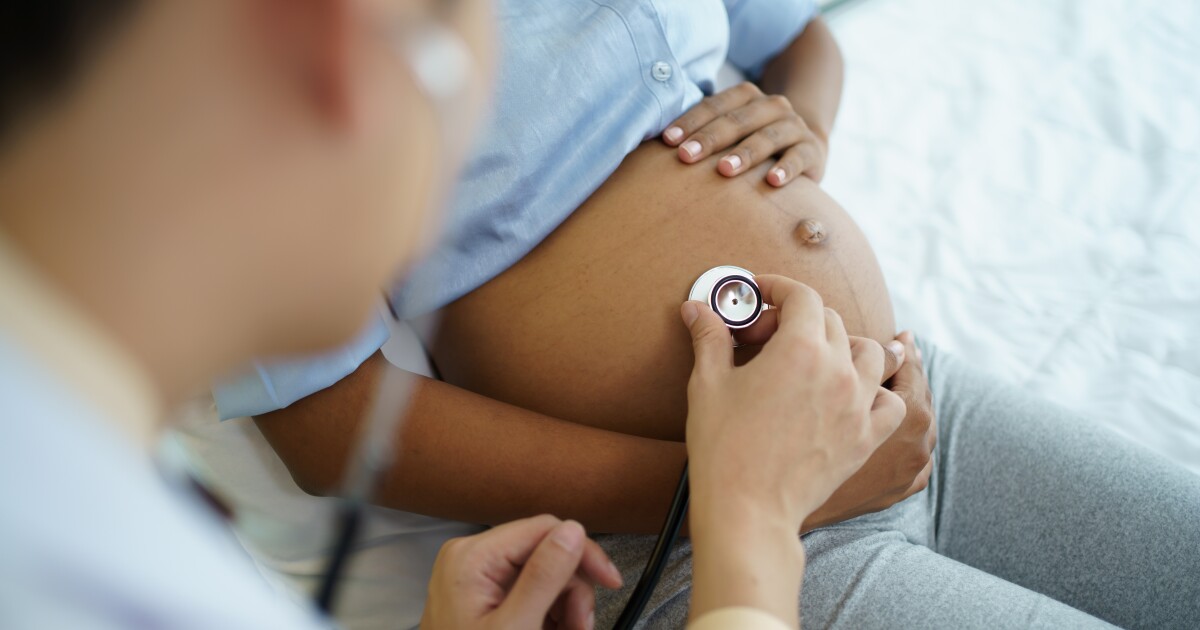
The possibility of allowing pregnant women to claim their unborn children as tax dependents is under consideration in Michigan. The Michigan House Finance Committee is evaluating a legislative proposal that would enable individuals who are at least ten weeks into their pregnancy by the end of the tax year to claim this status, pending medical verification.
Spearheaded by State Representative Gina Johnsen (R-Lake Orion), the bill aims to ease the financial strain on families as they prepare for a new child. “Everything costs more to just survive, raise a family, take care of yourself. But even starting at pregnancy, the costs go up. And this bill is to recognize that that’s when the costs start, not just when a child is born,” Johnsen stated, emphasizing the need for financial acknowledgment at the beginning of pregnancy.
For the upcoming 2024 tax year, the personal exemption amount stands at $5,600 per individual and dependent, a figure that this proposed amendment would impact. However, the proposal has not been without its critics.
Danielle Atkinson, the founder of Mothering Justice, critiques the proposal for not sufficiently addressing the financial realities of raising a child. She argues, “If this was in good faith, we would definitely be looking at the true cost of care, money that’s lost when you are out of work. And just overall what it takes to raise a child in this society.” Atkinson assesses that the cost of raising an infant can exceed $14,000 annually, taking into account necessities like childcare, food, and clothing. She also raised concerns about how this measure might intersect with ongoing debates regarding abortion access.
The notion of recognizing unborn fetuses as dependents is not entirely new; Georgia introduced a similar tax exemption for fetuses in 2022, following the U.S. Supreme Court's ruling that overturned Roe v. Wade. This law was part of Georgia’s broader fetal heartbeat legislation.
Johnsen mentioned that her proposal draws inspiration from the federal WIC program, aimed at assisting low-income pregnant women and families with young children. She remarked, “I just want the moms to have an opportunity to have some assistance here and recognize that this is financially more difficult than not having a baby.”
In contrast, Atkinson suggests that existing initiatives, such as Rx Kids, which provide financial assistance to new mothers, would be a more impactful use of resources. “We have to think in the totality of when we’re talking about moms and families and babies, what does the most good and we need to put our attention and our resources behind those initiatives,” she emphasized.
As the bill makes its way through the legislative process, it finds itself within a larger framework of Republican efforts to drive income tax reductions and streamline budget expenditures while Democrats raise alarms about the potential risks to public services and social safety nets. Nonetheless, Senate Democrats have supported a “working parents tax credit.”
In defense of her initiative, Johnsen asserts that budgetary adjustments should prioritize the most vulnerable, stating, “We say we’re looking out for the most vulnerable. Well, the most vulnerability are the babies and the pregnant moms and the elderly and the veterans. They have to come first. Or we don’t have a thriving and strong society.” The Michigan House of Representatives is expected to vote on this proposed legislation in the coming weeks.