

Michael Whatley’s Health Care Claims Under Fire in NC Senate Race

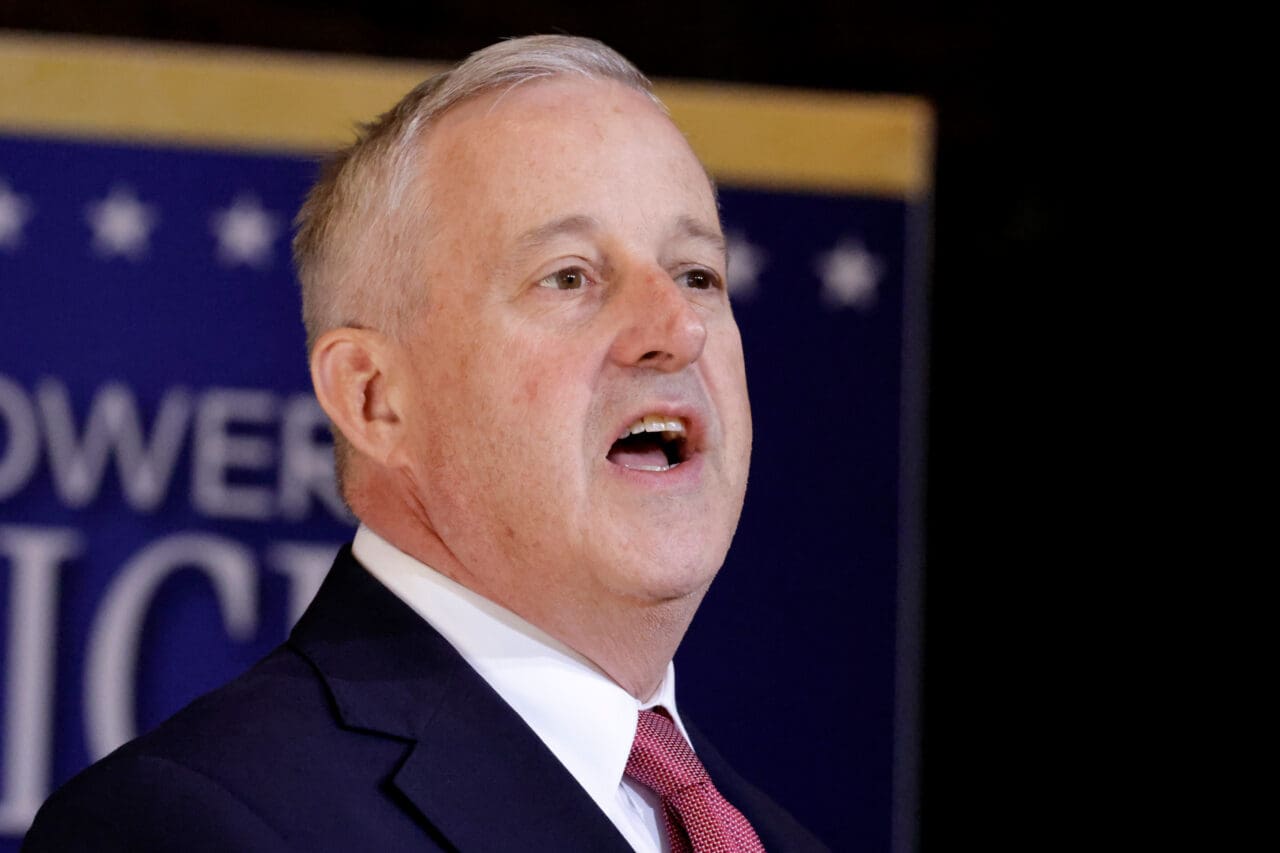
Contention Surrounds Health Care Premium Claims in North Carolina Senate Race
As the competition for North Carolina's vacant U.S. Senate seat heats up, health care expenses have become a focal point of debate. Republican candidate Michael Whatley has made assertions about significant increases in health care premiums under the governorship of Roy Cooper, claims that are now being scrutinized by various sources.
During an interview with Breitbart News on August 30, Whatley stated that premiums in North Carolina saw a staggering increase of 183% during Cooper's tenure. “Under Roy Cooper’s reign, North Carolina became the most expensive state in the nation for health care costs,” he claimed. “Under his watch, health care companies have raised insurance premiums 183%, hurting our families’ bottom lines as they already struggle to make ends meet.”
These assertions have raised questions about their accuracy. The 183% figure appears to be drawn from a 2021 analysis by the Heritage Foundation, which attributes this significant rise in premiums to the period between 2013 and 2019. This timeline indicates that a substantial part of the increase occurred while Pat McCrory, a Republican, was in office prior to Cooper taking over in 2017.
Further examination is provided by the Centers for Medicare & Medicaid Services (CMS), indicating an average premium decrease of 12% in North Carolina during Cooper's administration, positioning the state as having the third-largest drop nationwide from 2017 to 2024.
The claim that North Carolina has the highest health care costs in the nation is similarly contested. A Forbes analysis from January 2025 suggested that North Carolina led the way in health care expenses in 2024. However, this conclusion was challenged by Ascendient Healthcare, which cautioned that the Forbes study was based heavily on employer-sponsored insurance data affecting less than half of the state's individuals.
In an interview with the Carolina Public Press, Republican state treasurer Brad Briner expressed skepticism regarding the Forbes study, hinting at possible ulterior motives. Following this scrutiny, Forbes subsequently removed the article from its website.
Health care costs continue to be a pivotal issue for constituents, as a KFF tracking poll revealed in April that it stands as the foremost affordability concern among voters. Nearly 90% of those surveyed indicated that health care expenses would significantly impact their voting choices in the approaching election.