

Judge's Ruling Expands Passport Gender Options for Trans and Nonbinary
- Better American Media

- Jun 18, 2025
- 2 min read
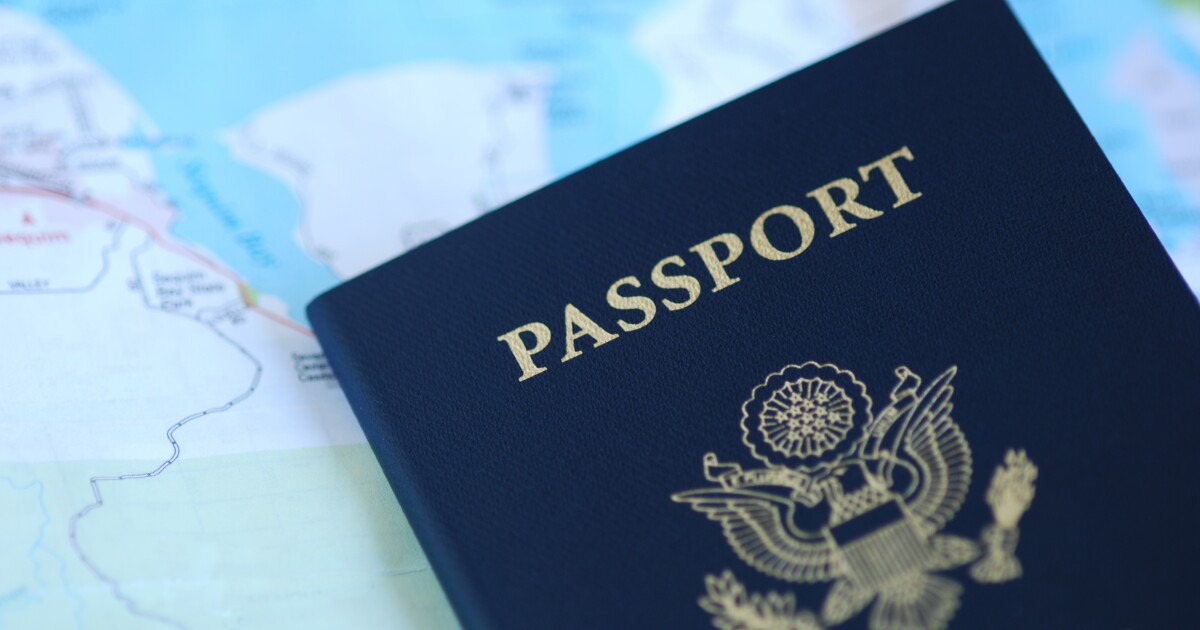
Court Ruling Enhances Passport Gender Marker Options for Nonbinary and Transgender Citizens
A recent federal court ruling has critically impacted the passport application process for transgender and nonbinary individuals. This decision effectively prevents the implementation of a restrictive policy introduced by the previous Trump administration regarding the designation of gender on passports, allowing a broader selection of identifiers: male, female, or “X.”
U.S. District Judge Julia Kobick issued the ruling that challenges an executive order from January, which aimed to define gender strictly based on the sex assigned at birth. This earlier directive failed to acknowledge the realities of gender transitioning.
Initially, Judge Kobick's ruling provided a preliminary injunction specific to certain plaintiffs associated with a lawsuit led by the American Civil Liberties Union (ACLU). However, the ruling has now been expanded to include all transgender and nonbinary individuals who do not possess valid passports, whose passports are about to expire, or who need to make modifications to their identification markers.
As of now, the White House has not provided a statement regarding the ruling. Judge Kobick pointed out that the government’s argument did not adequately demonstrate any constitutional injury or adverse effects on international relations arising from the injunction.
Advocates for transgender and nonbinary rights argue that the passport policy violates their constitutional rights to equal protection under the law. Judge Kobick noted, “Even assuming a preliminary injunction inflicts some constitutional harm on the Executive Branch, such harm is the consequence of the State Department’s adoption of a Passport Policy that likely violates the constitutional rights of thousands of Americans.”
Appointed by President Joe Biden, Judge Kobick supported the ACLU’s request for a preliminary injunction, allowing the legal proceedings to advance without the restrictions of the current passport policy. The judge underscored that the policy’s criteria for passport applications based on gender require meticulous judicial examination, a standard the government failed to satisfy.
The ACLU’s lawsuit highlighted several troubling cases, such as a woman who had received a passport incorrectly marked as male, and others who were deterred from applying for fears of having their applications stalled. In one instance, an individual who sought to update their name and gender designation on January 9 found themselves without a passport, risking missing significant events such as a family wedding and a specialized conference.
The Trump administration defended its policy, contending that it upheld constitutional equal protection standards and reaffirming the president's extensive authority in managing passport regulations. Furthermore, they claimed that the plaintiffs retained the ability to travel internationally under the policy.
Additional reporting by Associated Press writer Rebecca Boone in Boise, Idaho.