

Intersex Advocacy in the Wake of Trump's Binary Gender Executive Order

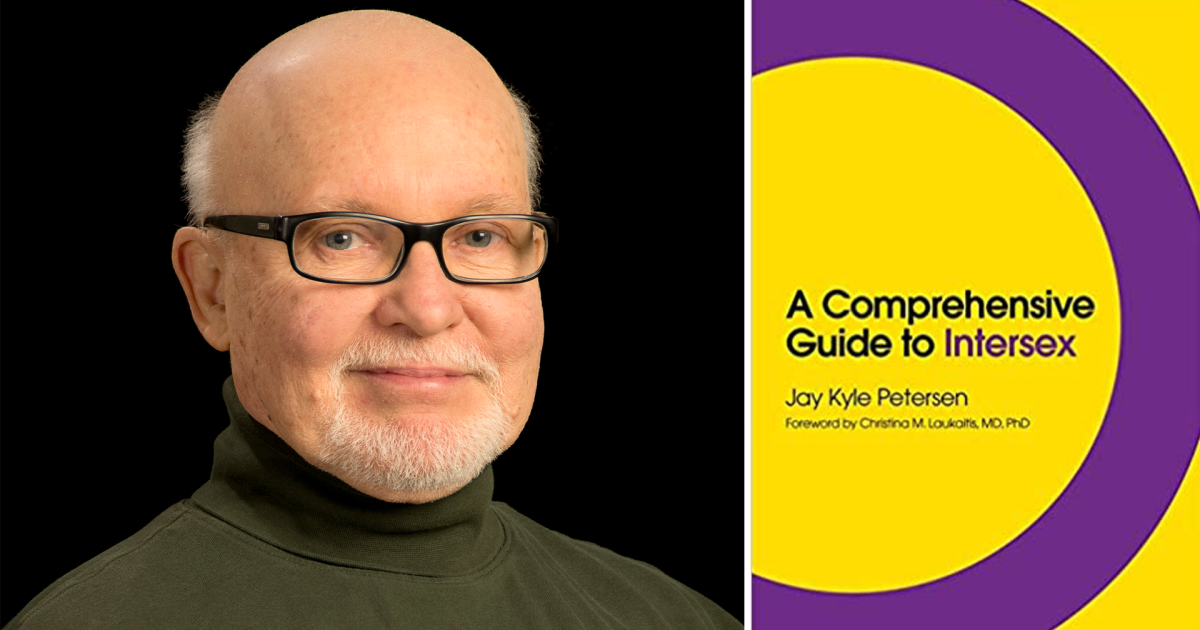
An executive order recently issued by President Donald Trump has sparked renewed debate surrounding gender identity and biological sex recognition in the United States. The order stipulates a binary view of sex, recognizing only male and female categories, which has resulted in the retraction of several federal guidelines that previously assisted transgender and intersex individuals, including students.
Jay Kyle Petersen, an intersex advocate and author of "A Comprehensive Guide to Intersex," sheds light on the implications of this policy shift. Petersen describes intersex as a spectrum of natural biological variations that cannot be strictly categorized as male or female: “Intersex is a term which describes a wide range of in-born biologically caused variations of sex, which are not clearly male or clearly female.”
Exploring Intersex Variations
The biological foundations of intersex conditions are complex and often involve genetic differences. As Petersen explains, “The main cause of intersex during that first trimester is genetic, gene changes.” Over 100 genes have been identified as potentially influencing sexual development, leading to variations that can challenge traditional chromosomal classifications of XX and XY.
Estimates indicate that intersex variations may affect between 0.5% and 1.7% of the global population, suggesting that in Phoenix, Arizona alone, there could be an estimated 822 to 27,954 individuals living with intersex characteristics. On a national scale, U.S. Census data from 2024 points to figures ranging from 17,000 to nearly 5.8 million intersex individuals across the country.
Healthcare and Social Challenges
Individuals with intersex traits often face significant obstacles in accessing appropriate healthcare. Petersen notes that many healthcare providers lack specialized training in intersex-related medical conditions: “There needs to be individualized medical treatment plans. Doctors need to know what they’re doing.” The implications of intersex conditions can affect numerous health aspects, including hormonal balance and electrolyte levels.
Beyond healthcare, intersex people often encounter societal challenges, including confusion surrounding the differentiation between intersex and transgender identities. Petersen emphasizes the inherent complexity of the topic, stating, “It’s a complicated topic, you know, and we’re born this way without a choice.” This results in a pressing need for increased education and societal awareness.
Impact of Federal Gender Policy
The recent federal stance on gender identity raises critical questions regarding the rights and recognition of intersex individuals. Petersen articulates the emotional toll that such government policies can impose, remarking, “It’s pretty scary, and it’s anxiety provoking, and this affects people’s mental, emotional and physical health.” The prospect of diminished civil rights protections for intersex individuals is a significant concern among advocates.
Despite these widespread challenges, Petersen continues to advocate for intersex rights, drawing inspiration from personal experiences and a commitment to fostering understanding and acceptance in society. “This is a country I love, and it hurts me so much,” Petersen expresses, reflecting a desire for a more inclusive future.