

Impact of Global Oil Crisis on Virginia Families and Local Economy

The ongoing tensions between the United States, Israel, and Iran are not just distant geopolitical issues; they resonate deeply with families in Virginia. The volatility in the global oil markets, particularly centered around the strategic Strait of Hormuz, is affecting the everyday expenses for Virginians.
The Significance of the Strait of Hormuz
The Strait of Hormuz is essential for global oil transportation, accommodating approximately 20% of the world’s oil supply. Disruptions in this route often lead to immediate and significant increases in oil prices, which Virginia residents experience as higher gas prices at the pump.
According to U.S. Energy Secretary Chris Wright, it may take several weeks for the U.S. Navy to ensure the safety of oil tankers in the area, and even then, there is no certainty that prices will decrease swiftly. Experts indicate that even under the best circumstances, resolving backlogs and restoring normal shipping operations could take anywhere from one to three months.
Impact of Rising Oil Prices on Virginia Households
Should the instability in the Strait of Hormuz persist, oil prices could surge further, with some analysts predicting they might hit $150 per barrel. This escalation is already manifesting in the state's economy:
Gas prices throughout Virginia are on the rise, affecting daily commutes.
Diesel fuel prices, crucial for the trucking industry, are nearing $5 per gallon.
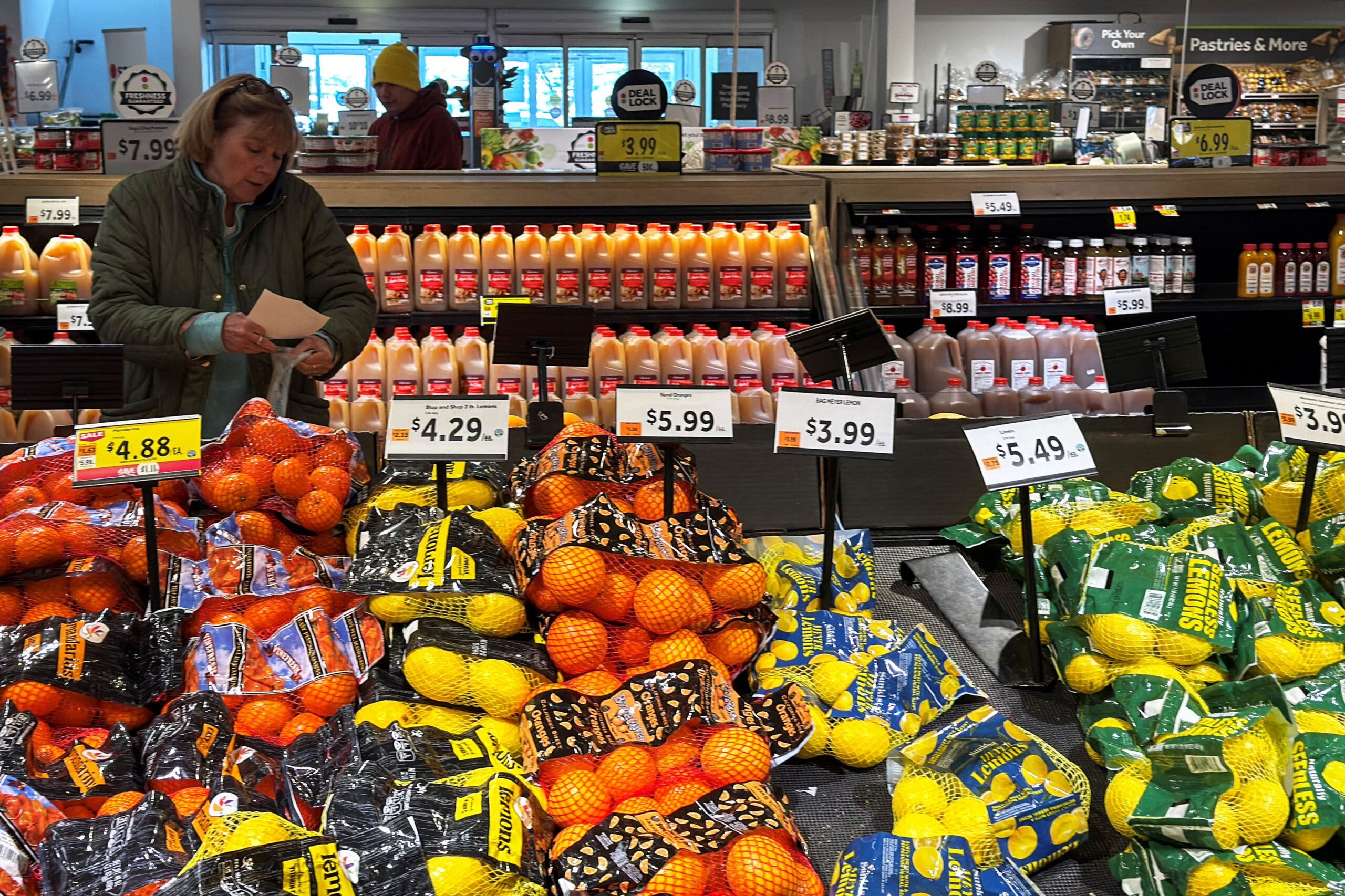
The higher costs of fuel are translating into increased prices for goods and services, including groceries and deliveries.
Virginia’s economic landscape relies significantly on transportation networks, notably trucking and shipping through the Port of Virginia, along with extensive commuter routes in major regions. As diesel prices climb, companies like FedEx have begun implementing fuel surcharges, and it is anticipated that other businesses will follow suit.
This trend is projected to lead to higher prices for essential items such as:
Dairy products, fresh produce, and seafood.
Goods purchased online and retail items.
Travel expenses, including airline tickets.
Potential Economic Ramifications for Virginia
Persistently high energy prices pose dangers that may extend throughout Virginia’s broader economy. Historical data suggests that spikes in oil prices often precede economic downturns. Increased fuel costs can have a cascading effect, such as:
Elevating operational costs for local businesses.
Limiting consumer spending as families adjust to higher expenses.
Straining essential sectors like transportation, logistics, and tourism.
Currently, Virginia businesses are facing additional financial pressures from tariffs and ongoing supply chain challenges. A prolonged period of high energy prices could exacerbate these existing issues.
Economic analysts are already voicing concerns, with reports from Goldman Sachs indicating a 25 percent chance of recession this year, alongside predictions of rising inflation and unemployment rates.
Looking Ahead for Virginia Families
The future for families in Virginia hinges on a singular uncertainty: when will oil flow freely through the Strait of Hormuz once again? Until clarity on this situation is achieved, many drivers can expect persistent strain at the gas station, with rising costs impacting various aspects of their daily lives.
The situation abroad is rapidly becoming a pressing matter at kitchen tables across the state.