

Gov. Hobbs Vetoes GOP Tax Proposal, Pushes for Middle-Class Relief
- Better American Media

- Jan 18
- 2 min read
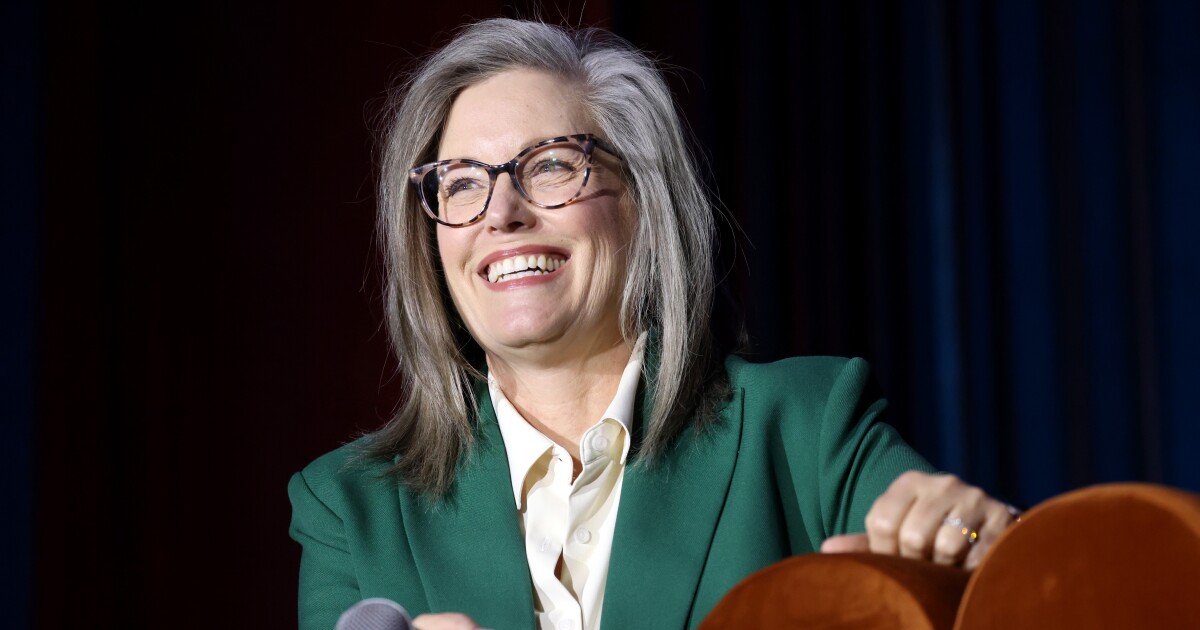
Governor Hobbs Rejects GOP Tax Plan, Middle-Class Relief in Focus
In a significant political move, Arizona's Governor Katie Hobbs has exercised her veto power against a tax plan proposed by Republican lawmakers. This decision has generated considerable uncertainty for taxpayers as it contrasts sharply with guidance from the state's Department of Revenue, complicating the tax filing process for many residents.
The rejected Republican plan sought to align Arizona's tax structure with federal reforms introduced by the “Big Beautiful Bill,” a major piece of legislation enacted under the Trump administration. However, this alignment was projected to reduce state income tax revenues by about $441 million. Governor Hobbs opposed these federal tax cuts, asserting that they would primarily benefit special interests rather than the average citizen.
Governor Hobbs indicated her commitment to middle-class support, stating, “We want a firefighter working overtime to keep his neighbor safe to know that he’ll get a tax break. We want a senior working part-time as a Walmart greeter to get a tax cut. We want a waitress working hard to put food on the table to get a tax cut. The middle class must be our priority.” Her alternative proposal suggests limited tax reductions of around $250 million, specifically aimed at providing relief for middle-class families.
The Arizona Department of Revenue has highlighted potential complications arising from these conflicting tax plans, noting that neither the GOP proposal nor Hobbs’ alternate plan aligns with current filing guidance. This misalignment may lead to a situation where taxpayers might have to file amended returns if a new plan is adopted that differs from the current guidelines.
The ongoing legislative impasse has raised concerns about the clarity and timing of tax policy in Arizona. Governor Hobbs has criticized the GOP plan as lacking fiscal responsibility, particularly regarding funding for proposed tax cuts. Calls for a special legislative session to address these issues were dismissed by the Governor, who emphasized the necessity for a negotiated agreement before reconvening lawmakers.
Both parties have voiced accusations of an unwillingness to compromise. While Governor Hobbs believes that the current revenue department guidance is consistent with her proposals, discrepancies in understanding the impacts of the plans persist. According to Hobbs' spokesperson, Christian Slater, while a minority of taxpayers might need to file amended returns, the direct impact of the proposed cuts would not affect the majority if they pass.
The debate surrounding tax policy also touches on the implications of the One Big Beautiful Bill Act, which increased the deduction cap for state and local tax deductions from $10,000 to $40,000 for itemizers. Despite this federal change, there is a mutual agreement to maintain the cap at $10,000, although current guidelines reflect the higher cap.
In light of the uncertainty, Senator J.D. Mesnard (R-Chandler) has recommended that taxpayers hold off on filing until more clarity emerges regarding state tax policy. Governor Hobbs, while open to future negotiations focused on middle-class relief, has indicated that resolution may not occur prior to the traditional tax filing deadline.