

Contentious Federal Water Redistribution Proposal for Colorado River

Concerns Rise Over Federal Water Plan for Colorado River Amid Criticism
The Bureau of Reclamation is facing intense scrutiny as it navigates the complex issue of redistributing the Colorado River's decreasing water supply. The proposal has drawn more than 18,000 responses from a wide range of stakeholders, including state governments, tribal entities, and industry representatives, many of whom have voiced actionable concerns regarding its framework and anticipated consequences.
Critics argue that the proposed plan prioritizes urgent measures rather than long-term sustainability. Organizations such as The Nature Conservancy and Environmental Defense Fund emphasized that merely reallocating limited resources will not stabilize the reservoir system. Their joint statement read, “The Colorado River reservoir system cannot be stabilized simply by reallocating scarcity.”
Attempts to forge a consensus among the seven states dependent on the river have stalled, with crucial deadlines repeatedly missed, particularly by Arizona and its counterparts. According to the Draft Environmental Impact Statement, if an agreement is not reached by October, significant cuts to water allocations may be enforced.
The brunt of the proposed reductions primarily falls on Arizona, which could see cuts as high as 58%. In contrast, states in the Upper Basin, which include Colorado, Utah, New Mexico, and Wyoming, could largely escape mandatory cutbacks because they do not rely on water releases from existing reservoirs. This disparity has sparked resentment among stakeholders in the Lower Basin, who feel their voluntary reductions went unacknowledged.
Thomas Buschatzke, the director of the Arizona Department of Water Resources, pointedly remarked that the plan overlooks potential reductions in Upper Basin water usage, stating, “The effects of the proposed alternatives fall disproportionately on the Lower Basin.”
The dissatisfaction extends beyond the Lower Basin states, as stakeholders from the Upper Basin have also expressed their concerns regarding insufficient consideration given to the impact of current water release practices and the challenges linked to diminishing snowpack.
Jeffrey Woodruff, chair of the Pitkin County Board of Commissioners, urged for changes to the plan that would adequately address the growing imbalance between water supply and demand, particularly for measures aimed at protecting critical reservoirs like Lake Powell.
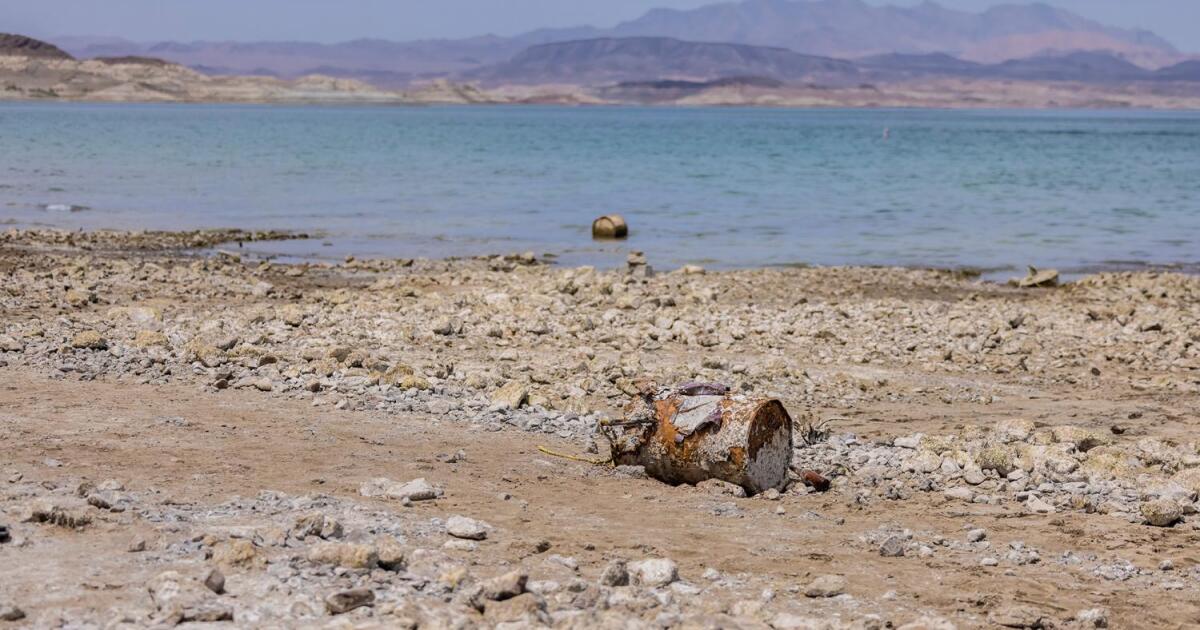
The Colorado River, which flows 1,450 miles from Rocky Mountain National Park to the Gulf of California, supports crucial infrastructure, including the Hoover Dam and Glen Canyon Dam. The ongoing drought has led to a significant decline in reservoir levels while water demand remains unabated.
Currently, a temporary agreement between the states is set to lapse at the end of 2026, with Lower Basin states advocating for mandatory reductions impacting Upper Basin states due to their historical water usage reductions.
Concerns about the potential for drastic water cuts have brought together a coalition of stakeholders, including a bipartisan group of Arizona's congressional representatives. The repercussions of the federal proposal could affect various sectors, from agriculture in Yuma County to Arizona’s semiconductor manufacturing.
In Yuma County, where the agricultural industry plays a critical role in producing a significant portion of the country’s winter vegetables, looming cuts are a serious concern. Although the county holds robust water rights, the anticipated reductions could still have severe implications for its economy.
The mining sector in Arizona has also expressed worries regarding the plan, particularly its implications for high-tech manufacturing dependent on consistent water supply for operations tied to electricity generation and defense. Freeport-McMoRan, a leading mining firm, has indicated that unplanned reductions could cause considerable disruptions.
The period for stakeholder comments closed on March 2, with the finalized plan expected to be revealed later this year. The prioritization of cuts will involve consultations with relevant Arizona authorities, with non-tribal agricultural operations likely to face the most significant impacts.