

CDC Changes Childhood Vaccine Recommendations: A Major Shift in Policy

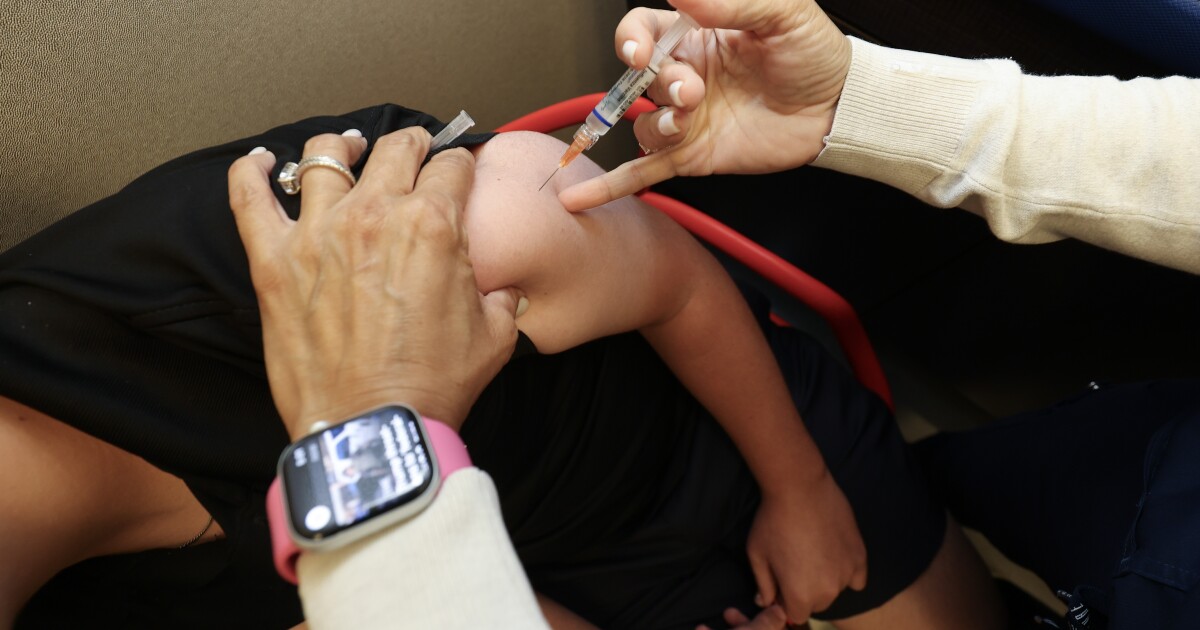
CDC Revises Childhood Vaccination Recommendations, Lowering Standard Inoculations
The Centers for Disease Control and Prevention (CDC) has made a noteworthy change to its childhood vaccination schedule, decreasing the number of routinely recommended vaccines from 17 to 11. This development signifies a shift towards a more individualized approach in immunization practices.
Under the new guidelines, vaccinations including those for rotavirus, hepatitis A and B, meningitis, and seasonal flu, previously mandated for all children, are now primarily recommended for specific high-risk populations or following a thorough discussion with healthcare providers. This process is part of an emerging strategy referred to as “shared decision-making.”
Health Secretary Robert F. Kennedy Jr., known for his critical stance on certain vaccines, has been instrumental in leading this initiative aimed at refining the immunization schedule. This decision stems from a presidential memorandum that directed the Department of Health and Human Services and the CDC to compare U.S. vaccination practices with those of other advanced countries. Coinciding with this directive, vaccine advisors voted to discontinue the universal recommendation for the hepatitis B vaccine at birth.
Evidence gathered from nations such as Denmark, which utilizes a more limited vaccination schedule, along with insights from legal discussions surrounding vaccine-related cases, contributed to this policy shift. Kennedy noted, “President Trump directed us to examine how other developed nations protect their children and to take action if they are doing better.” He underscored the importance of aligning U.S. health policies with those of other countries while promoting transparency and informed consent among families.
The changes followed a “comprehensive scientific assessment” conducted by experts including Martin Kulldorf, chief science officer at a unit of HHS, and Tracy Beth Høeg, acting director of the FDA’s Center for Drug Evaluation and Research. Their analysis compared the U.S. schedule with that of 20 other countries.
Distinct from previous policy changes, this adjustment was made without the typical public consultation or input from vaccine manufacturers, effectively bypassing the standard procedure of the CDC's Advisory Committee on Immunization Practices.
Concerns have been raised by critics such as epidemiologist Michael Osterholm from the Vaccine Integrity Project, who cautioned against the rapid implementation of these recommendations. He remarked, “Eliminating vital U.S. childhood vaccine recommendations without public discussion of the potential impacts on children in this country, or a transparent review of the data on which the changes were based, is a radical and dangerous decision.”
In light of a notable decline in vaccination rates, particularly regarding diseases like measles, senior officials from the Department of Health and Human Services expressed that this strategy is aimed at rebuilding public confidence in vaccinations. They confirmed that while certain vaccines have been modified in terms of recommendation status, they will remain available and covered by insurance when determined through shared clinical decision-making.
Moreover, the HHS has initiated plans for placebo-controlled trials focused on examining the timing and long-term effects of vaccines. These trials, which are currently being conducted by the CDC, will also see similar studies underway at the FDA and the National Institutes of Health over the next several years.