

Arizona WIC Program's Vital Services at Risk Due to Government Shutdown
- Better American Media

- Oct 9, 2025
- 2 min read
Crisis Looms for Arizona’s WIC Program Amid Ongoing Government Shutdown
The ongoing government shutdown has put critical services for low-income families at risk, particularly the Women, Infants, and Children (WIC) program. As Congress deliberates on funding measures, the future of this essential nutritional support for vulnerable families remains uncertain.
Families like that of Esparanza, whose two-year-old daughter, Gia, depends on WIC for key nutritional support including probiotic yogurt, are feeling the strain. Esparanza expressed her worries, stating the family’s financial situation makes WIC crucial, saying, “Without it, I don’t know.”
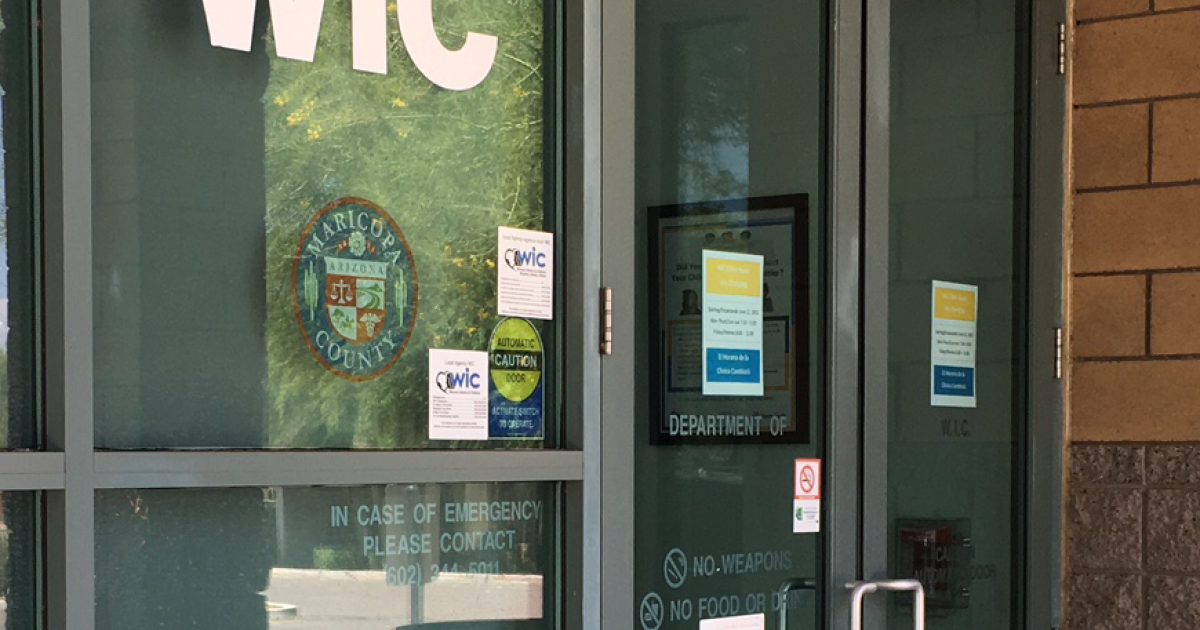
WIC, which provides food assistance and educational resources to around 153,000 mothers and children in Arizona, is currently facing funding challenges after federal support lapsed on September 30. State officials have warned that available funds may run out by the end of the month. According to Liliana Soto, press secretary for Governor Katie Hobbs, “The Governor’s Office is actively exploring state funding options… But if Congress doesn’t fix this, and we can’t cover the gap, the program will pause indefinitely.”
Nationally, a $150 million contingency fund from the USDA is temporarily supporting WIC operations, but this funding is expected to be insufficient for long-term sustainability. Kate Scully, deputy director for WIC at the Food Research and Action Center, stated, “In the short term, there is enough funding. But what happens in the future, we don’t know.”
The Biden administration has suggested utilizing tariff revenue as a source of funding for WIC during the shutdown; however, this plan requires congressional approval to be enacted. Despite the uncertainty, Arizona’s WIC clinics are still functioning, and beneficiaries can access their benefits at designated stores.
January Contreras, executive director of Children’s Action Alliance, highlighted the critical need for expediting WIC funding reauthorization, saying, “We can’t allow moms and babies to go hungry.” While some advocacy groups are rallying local food drives and donations as potential stopgap measures, the lack of assurance from federal funding looms large.
Established in 1972 to combat malnutrition among pregnant women and young children, the program now faces difficult choices as states consider options in case of funding interruptions, which may include limiting new enrollments or prioritizing certain beneficiaries.
The Arizona Department of Health Services oversees the WIC program, passing funding to local health departments and federally qualified health centers. Amid the crisis, Jennifer Chancay from the Pima County Health Department indicated uncertainty regarding their clinics' operational timeline amidst the shutdown.
Other states, such as Colorado, are already seeking emergency funding to maintain the program, while Washington State has indicated that service interruptions might be imminent. The challenges are personal for families like Esparanza’s, who faced additional health struggles when Gia contracted E. coli after consuming yogurt, further highlighting the program's significance.
For families in remote areas, such as Taelor Keyonnie-Begay from the Navajo Nation, WIC is especially vital for accessing essential nutrition amid limited availability of fresh produce. As the situation evolves, updates will be provided through reliable outlets, including Cronkite News.