

Arizona Supreme Court Rejects Proposition 212 from Ballot Vote

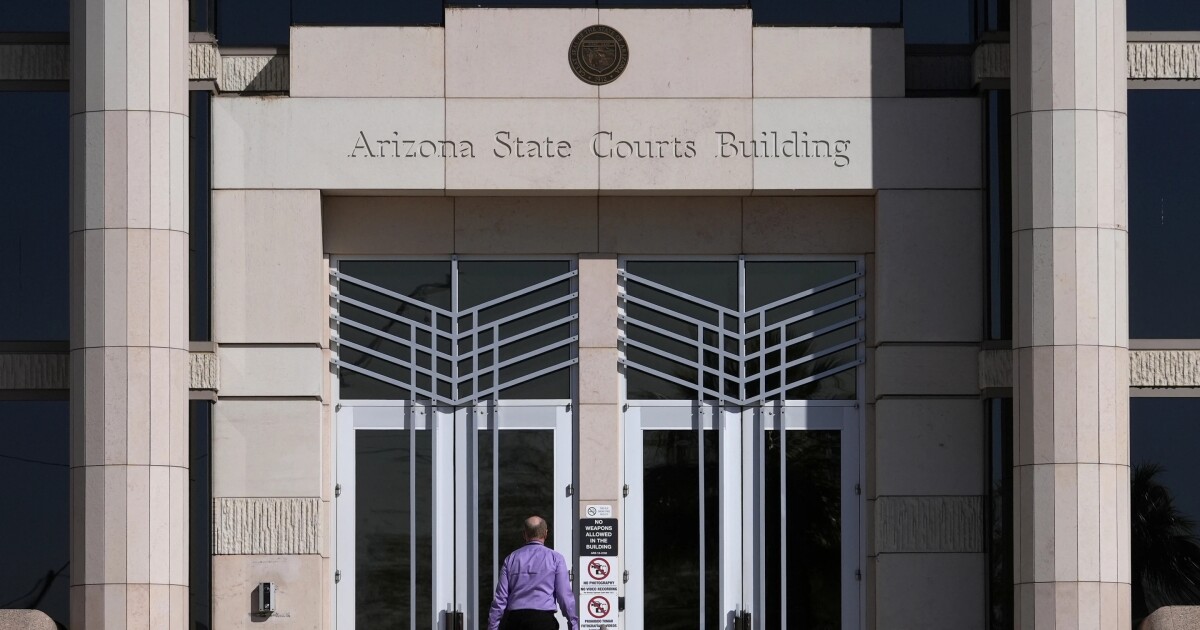
Arizona Supreme Court Limits Voter Input on ESA Reform
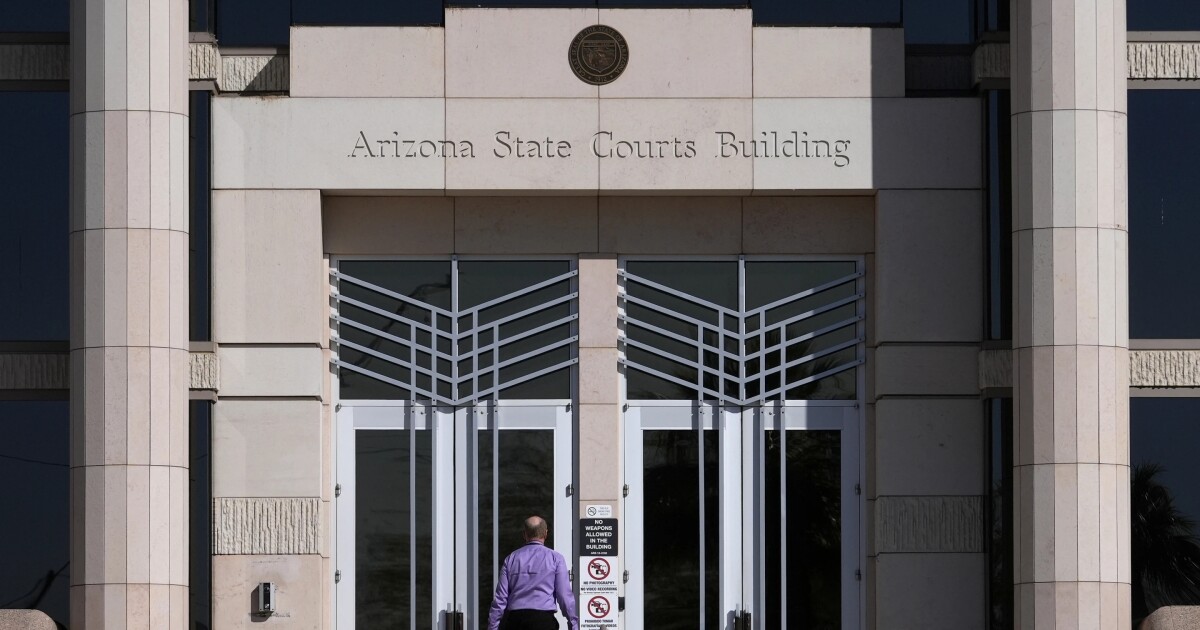
In a decision that impacts the future of educational funding in Arizona, the state's Supreme Court ruled that Proposition 212 will not appear on the ballot due to insufficient valid signatures. This ruling means voters will forfeit the chance to weigh in on proposed reforms concerning the Empowerment Scholarship Account (ESA) program, a $1 billion initiative primarily aimed at helping families with special needs students access private schooling.
The court's ruling came after an assessment revealed that the petition fell short by nearly 12,000 valid signatures. Although the court did not officially declare the total number of signatures needed, its formula indicated that the supporters collected only 243,834 validated signatures, which is below the threshold of 255,949 required to move forward.
This outcome was met with mixed reactions. Supporters of the ruling, including House Speaker Steve Montenegro and organizations like the American Federation for Children, celebrated the decision. Conversely, advocates for the measure expressed their dismay. Beth Lewis, director of Save Our Schools Arizona, critiqued what she termed a "scorched-earth" legal strategy from the voucher camp, expressing concerns over how this reflects on the willingness of lawmakers to engage voters.
The initiative, led by the committee Protect Education Accountability Now, originally submitted 415,438 signatures. Yet, as the verification process unfolded—handled by the Secretary of State and county recorders—problems relating to the validity of signatures became apparent. As these issues escalated, the total number of acceptable signatures continued to drop.
A primary focus for the Supreme Court involved addressing duplicate signatures. Despite requests from attorney James Barton to account for any potentially valid duplicates, Chief Justice Ann Scott Timmer countered, stating that adding such signatures would contradict directives meant to exclude those duplicates from count.
The ruling has directed Maricopa County Superior Court Judge David McDowell to finalize the validity of the signatures. Nonetheless, experts predict that even with the court’s procedures followed, the count would still not suffice to place the measure on the ballot. Kory Langhofer, representing the voucher advocates, aligned with this assessment, noting the expected shortfall remains at around 12,000 signatures.
Proposition 212 aimed to tighten regulations around the ESA program, which, while initially designed to assist students with special needs, now encompasses over 100,000 students, raising concerns about potential misuse of taxpayer dollars for private schooling. Critics have argued that the broad eligibility criteria allow for financial discrepancies in the use of taxpayer funds.
Despite the setback for advocates of Proposition 212, the discourse surrounding the ESA program is far from over. Supporters of reform continue to call for oversight, insisting on responsible governance of taxpayer funds. "The status quo is supported by less than 10% of voters," commented Tommy Schultz, CEO of the American Federation for Children, emphasizing the need for practical reforms to maintain the program's integrity.
Montenegro acknowledged that even with Proposition 212 off the table, the discussion surrounding the ESA program remains crucial. He warned of persistent advocacy efforts from unions regarding education policy reform, implying that the issue will not fade from the legislative agenda. Meanwhile, Lewis indicated that continued lobbying and public mobilization might become necessary to achieve meaningful changes in educational funding policies in Arizona.
Additionally, the court's decision has implications for Proposition 145, which was a legislative response to Proposition 212, preventing that measure from also proceeding to a vote.