

Arizona Supreme Court Determines Fate of Fake Elector Case in Jury Review

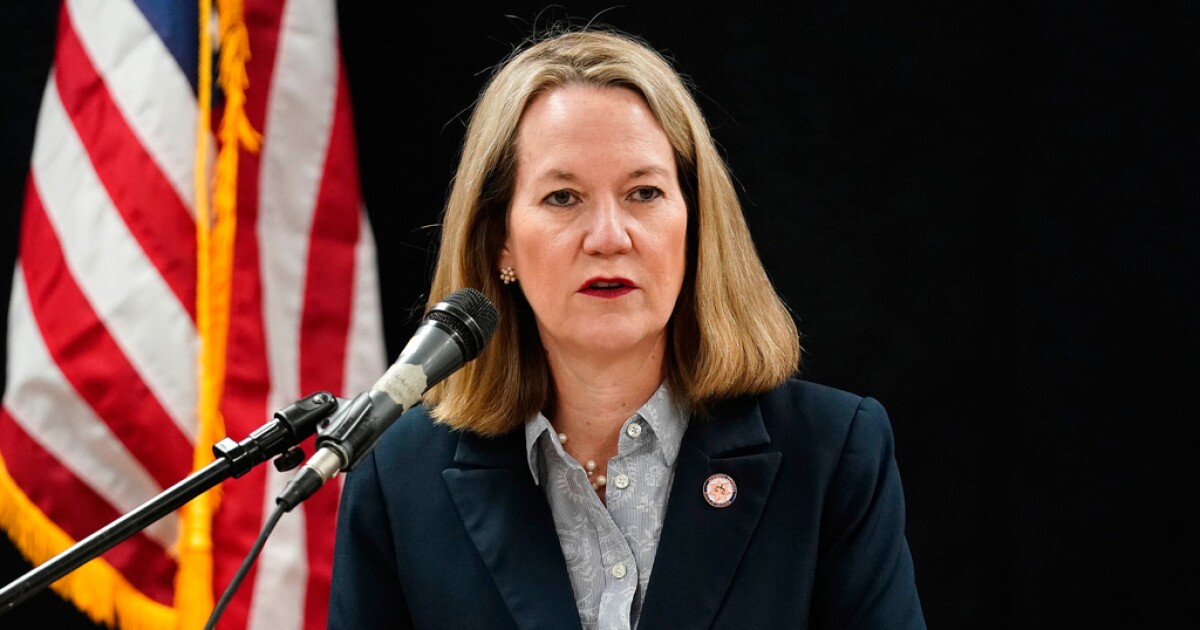
Arizona Supreme Court Directs Further Review of Fake Elector Case
In a notable decision regarding the legal scrutiny stemming from the 2020 presidential election, the Arizona Supreme Court has opted not to allow the continuation of criminal charges against several prominent individuals, including Mark Meadows, former chief of staff to President Donald Trump, and ex-New York City Mayor Rudy Giuliani. Instead, the court has mandated that the case be revisited by the grand jury for additional examination, as detailed in a recent ruling.
The Attorney General of Arizona, Kris Mayes, has faced a setback with this ruling. She has expressed her intent to once again present the comprehensive case to a grand jury, demonstrating her office's dedication to pursuing this matter. There have been no further comments from her office regarding the ongoing investigation.
This Arizona case aligns with similar investigations in states such as Michigan and Georgia, where courts have also dismissed cases related to the election. Additionally, a federal investigation has befallen recent challenges, culminating in a case that was dropped by a special prosecutor. Notably, Arizona—alongside states like Nevada and Wisconsin—continues to navigate the consequences of the alleged fake elector scheme.
In earlier proceedings, a Phoenix judge found that the initial grand jury had not been provided with the text of the Electoral Count Act, an essential piece of 19th-century legislation overseeing presidential election certification. The defense has argued that amendments to this act, which was updated in 2022 to refine how elector slates can be submitted, serve as a basis for justifying their clients' actions. Mark L. Williams, representing Giuliani, conveyed satisfaction with the Supreme Court’s ruling and questioned whether prosecution would indeed pursue the matter with the grand jury again, asserting, “Mr. Giuliani has done nothing wrong.” The case has seen limited advancement at the trial level since May 2025.
Arizona's status as a pivotal battleground during the 2020 election was underscored by Joe Biden's narrow victory, which was determined by just 10,457 votes. The attorney general's office is grappling with the complexities of conspiracy accusations against 18 individuals, having filed charges more than three years following the election. Numerous defense motions to dismiss have contributed to the ongoing delays in proceedings.
Further complicating the case, the original judge recused himself late in 2024 over a contentious email linked to Vice President Kamala Harris’ campaign, prompting the appointment of a new judge who ordered a new grand jury review. Among the charged individuals are two former aides to Trump, five lawyers associated with Trump, and 11 Republicans accused of falsely asserting Trump's victory in Arizona. Thus far, three defendants have reached settlements—including one who pleaded guilty to a misdemeanor—while others face serious charges including conspiracy, fraud, and forgery, citing that their conduct was predicated on potentially favorable court decisions for Trump prior to the