

Arizona's Workers Face Danger as Heat Safety Regulations Lag Behind

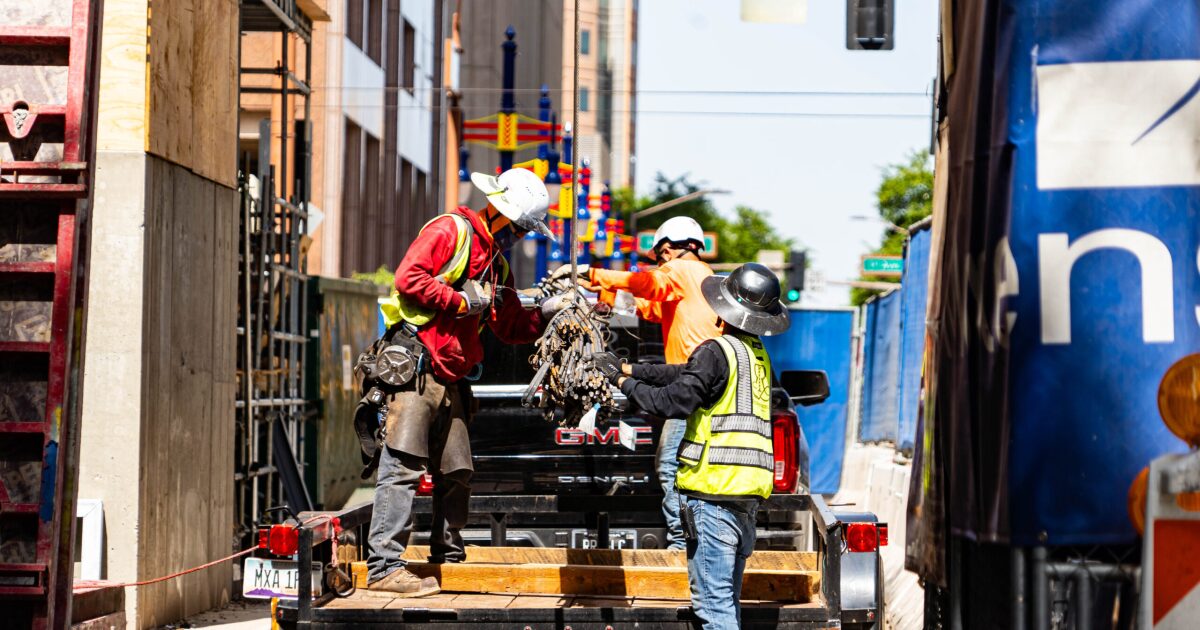
As summer temperatures in Arizona exceed 110 degrees, the safety of workers at risk due to extreme heat has come into sharp focus. Despite ongoing discussions within the federal government about implementing heat-specific labor regulations, progress has been hampered by previous administrative policies that affected the regulatory landscape.
According to the Arizona State Association of Letter Carriers president, Eric Gregorovic, the urgency for protective measures is dire. He shared his experience delivering mail in Phoenix, where the heat index soared to 114 degrees. Reflecting on the unsafe conditions, he stated, “The U.S. government should be the model employer when it comes to safety of their employees.” The heat inside his postal service vehicle reached alarming levels, causing him to opt for walking instead of driving, as he noted, “I’m looking at a thermometer in my truck right now. It’s 140 degrees.”
In Arizona, several industries—including construction, agriculture, and energy—employ over a million workers exposed to extreme temperatures, yet formal heat protection standards remain absent. Although multiple legislative initiatives aimed at introducing these standards have failed, advocates continue to push for necessary changes.
Jason Sangster of Ironworkers Local 75 emphasized the long-term effects of heat illnesses on workers' health. He remarked, “I’ve got a couple members that have had a heat illness (or) heat stroke and once you get it, you just can’t go back outside and be normal again.” This issue is not isolated to outdoor workers; many indoor employees in kitchens and warehouses are also subjected to dangerous heat levels due to insufficient cooling solutions.
A recent report from Harvard University revealed that around 40% of indoor workers face temperatures at or above 80 degrees—an issue that has frequently been overlooked in terms of heat safety regulations. The National Institute for Occupational Safety and Health (NIOSH) has been advocating for a heat exposure standard since 1972, yet various administrative hurdles have obstructed progress, particularly during the previous administration marked by substantial cuts to regulatory oversight.
Challenges Facing OSHA
Currently, the Occupational Safety and Health Administration (OSHA) is striving to establish effective heat regulations. On August 30, a proposal was put forward that would mandate facilities to provide water and cooling breaks to employees working in extreme heat. However, the viability of this proposal remains uncertain given prior regulatory rollbacks. There is skepticism around OSHA's leadership and its effectiveness in enforcing safety standards, as illustrated by citations against major employers like UPS and Amazon during the Trump administration.
OSHA often relies on the General Duty Clause to address heat-related workplace hazards, which has involved conducting approximately 7,000 inspections related to heat from April 2022 to December 2024, yielding 60 citations and over 1,300 Hazard Alert Letters. The tragic deaths of postal workers in Dallas have underscored the pressing need for comprehensive regulatory action.
Local Responses and Efforts
Although Arizona lacks statewide heat safety standards, some local governments are taking the initiative. Cities such as Phoenix, Tempe, and Tucson have enacted measures requiring employers to develop heat safety plans that include provisions for drinking water, shade, and acclimatization strategies for employees. Additionally, the State Emphasis Program introduced by Governor Katie Hobbs is designed to enhance awareness and compliance, though it does not have enforceable authority.
In contrast to Arizona, states like California and Nevada have enacted comprehensive regulations that apply to both indoor and outdoor workers to protect them from heat exposure. Legislative efforts to establish similar protections in Arizona continue to face hurdles, as noted by State Sen. Catherine Miranda, who highlights the crucial need for ensuring hydration and safety for workers in high-temperature environments.
For detailed news coverage, please visit cronkitenews.azpbs.org.