

Arizona's Military Presence at the Border: Safety and Wildlife Concerns

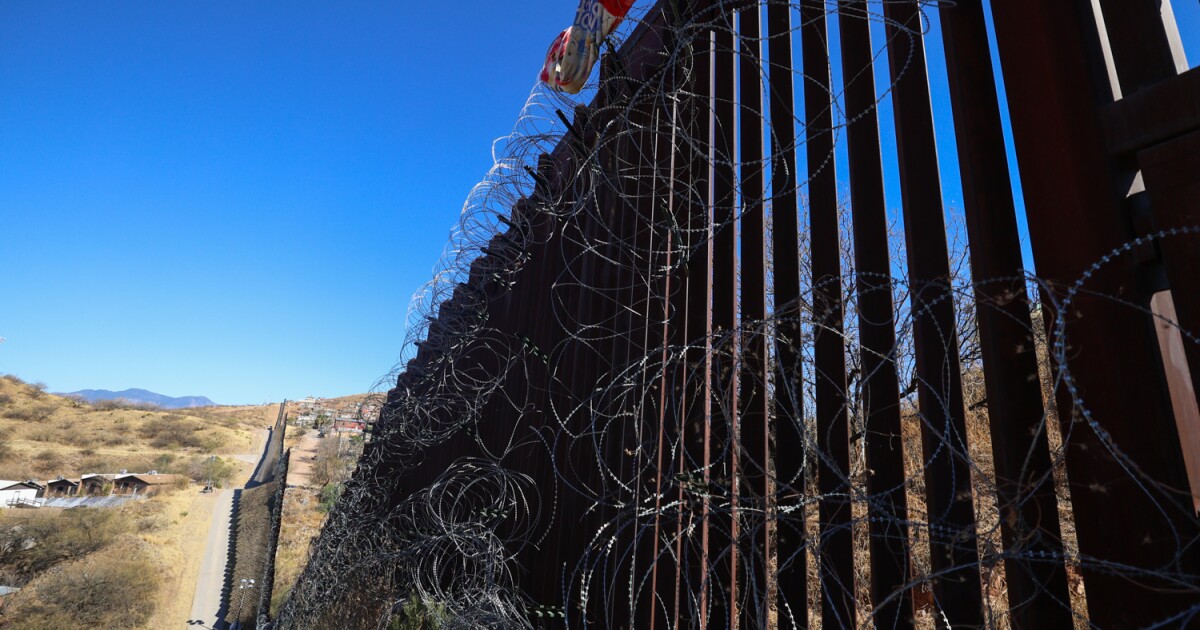
Increased Military Presence at U.S.-Mexico Border Raises Questions Among Advocates
The recent decision to deploy U.S. military troops along the southwestern border has ignited a wave of concerns among various groups, including migrant advocates, border officials, and environmentalists. While some officials applaud this move as essential for enhancing security, others express apprehension regarding the possible adverse effects on both human lives and the surrounding environment.
President Donald Trump has authorized military oversight over the Roosevelt Reservation, a narrow strip measuring 60 feet wide along the U.S.-Mexico border. This action has prompted fears about circumventing the Posse Comitatus Act, which generally restricts military involvement in civilian law enforcement matters. Advocates for migrants are particularly concerned that this increased military presence may drive migrants towards more hazardous crossing routes, thereby escalating the likelihood of tragic incidents.
James Holeman, founder of Battalion Search and Rescue, highlighted the detrimental history of border militarization, stating, “Militarizing the border has historically only ramped up deaths.” His organization is actively involved in locating the remains of migrants who have perished in the challenging desert conditions.
The military deployment spans across several counties in Arizona, with the exception of areas managed by the Tohono O’Odham Nation. Experts foresee that the inclusive border region, characterized by its level terrain and lesser enforcement, may become a hotspot for human trafficking, with increased smuggling anticipated.
Environmental advocates are similarly alarmed, particularly regarding the potential effects on the ecosystems of the Sonoran Desert, which is home to several endangered species. Russ McSpadden from the Coalition for Sonoran Desert Protection raised concerns about the risks posed by not only the construction of new infrastructure but also the consequent rise in vehicle patrols throughout the area.
In contrast, some local leaders, like Cochise County supervisor Frank Antenori, expressed support for the military's involvement, believing it could relieve local resource pressures and bolster border security. This view resonates with the federal government’s efforts to strengthen border governance and security measures.
The troop numbers have surged to over 10,000, with the primary aim of accelerating the expansion of border infrastructure. Nevertheless, Pima County Sheriff Chris Nanos warns that such military operations could unintentionally discourage migrants from seeking assistance, emphasizing the necessity for comprehensive immigration reform.
For additional stories and updates, visit cronkitenews.azpbs.org.