

Arizona's Budget Crisis: Challenges from New Federal Tax Changes
- Better American Media

- Jul 14, 2025
- 2 min read
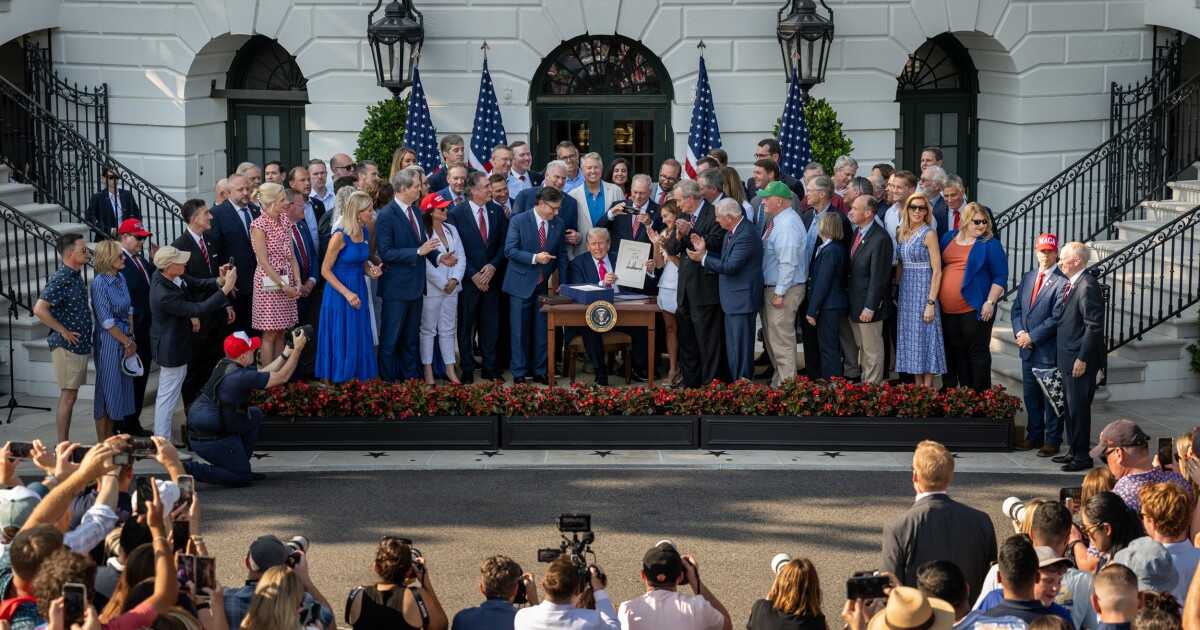
Arizona's Budget in Jeopardy: The Impact of Federal Tax Changes
The state of Arizona is navigating a complex financial landscape following the introduction of the “Big Beautiful Bill,” which brings about significant federal tax changes that could affect state revenue. As Arizona lawmakers weigh their options, the potential for a revenue decline has raised concerns across the state.
According to assessments from legislative budget analysts, aligning Arizona's tax laws with these new federal regulations could lead to a decrease in state revenue by approximately $381 million this fiscal year, along with further reductions of around $57 million. Despite this potential impact, the decision to conform to federal changes does not compel state lawmakers, leaving the matter to be resolved by Governor Katie Hobbs and the legislature.
Senate Majority Leader John Kavanagh has voiced his support for conformity, highlighting that utilizing federally adjusted gross income simplifies state tax calculations. He cautions that failing to align with federal policies could create complexities for both taxpayers and legislators alike.
On the other hand, Senate Minority Leader Priya Sundareshan has pointed out the burdens such discrepancies place on taxpayers, noting that Arizona’s fiscal space is already tight with its $17.6 billion budget. She suggests that revenue cuts might lead to deeper reductions in public services, particularly regarding crucial programs that support residents.
In discussions around these fiscal changes, Senator J.D. Mesnard has proposed a selective adoption, aiming to maintain stable taxable income levels even as federal adjustments are considered. Among these adjustments is a notable provision, which would permit deductions for overtime pay (capped at $12,500), potentially reducing Arizona’s revenue by $76.5 million if implemented. Additional federal changes, such as an extra $6,000 standard deduction for seniors and a reduction on tip taxation, could collectively cost the state around $77.3 million.
Another significant issue at hand is the option for accelerated depreciation on business equipment, which could further diminish revenue by over $110 million. The state’s Finance Advisory Committee foresees declining tax collections and rising healthcare expenses as considerable challenges ahead, a viewpoint that Kavanagh disputes, citing favorable economic indicators.
Sundareshan, however, raises concerns about escalating tariffs and consumer prices as possible threats to the state’s economy, even in light of recent increases in state income tax collections attributed to capital gains. House Minority Leader Oscar De Los Santos has criticized the federal tax package, arguing that its benefits primarily favor wealthy individuals rather than the working class.
The Arizona Legislature will reconvene soon to address the implications of these federal tax changes, with Governor Hobbs actively reviewing the potential impacts on residents and the broader state economy. Historically, Arizona has often aligned its tax regulations with federal standards, although deviations have occasionally been advantageous to taxpayers, such as in certain medical expense deductions.