

Whitmer's 2028 Presidential Ambitions in Doubt Amid State Challenges

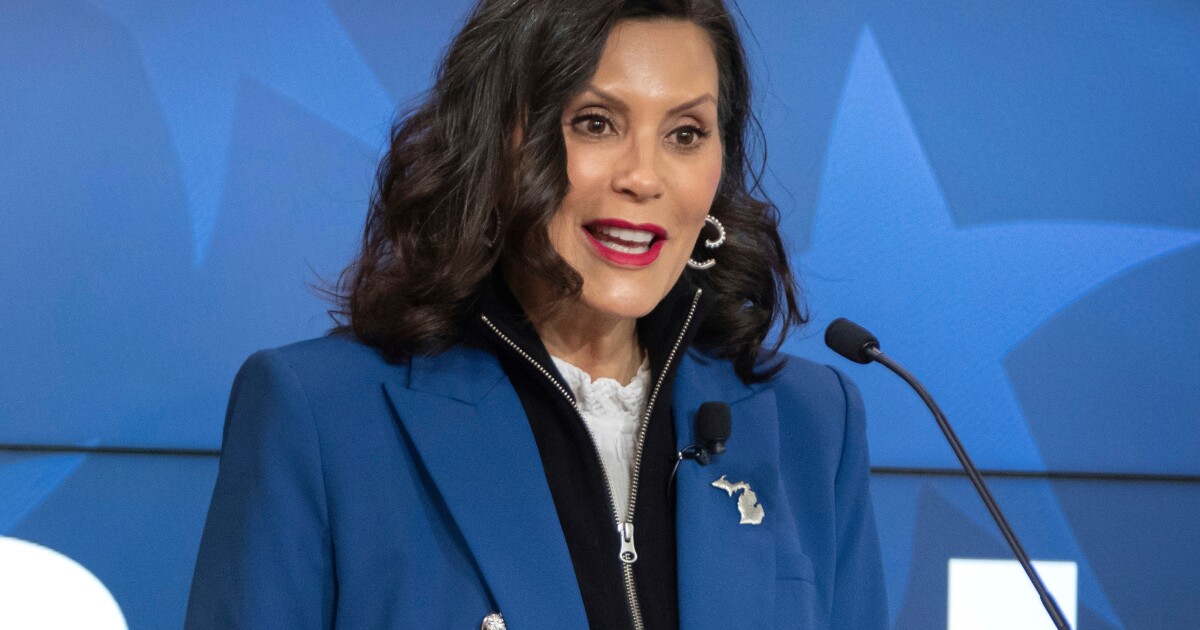
As the political landscape heats up ahead of the 2028 presidential election, Michigan Governor Gretchen Whitmer has found herself in the spotlight. At a recent event in Toronto, she addressed inquiries about her potential run for the presidency, expressing a degree of uncertainty about her ambitions. “I anticipate helping, but I don’t know if I’m going to be the person,” she remarked, reflecting her complex position as her governorship nears its term limit.
Despite speculation surrounding her as a Democratic frontrunner, Whitmer emphasized her priority remains on her current responsibilities. She stated, “I don’t know if I need to be the main character in the next chapter, but I want to have a hand in writing it,” pointing to her experience as a leader in one of the nation’s pivotal swing states.
Whitmer is grappling with significant issues affecting Michigan, including a recent one-week budget extension following extensive debates in the state legislature. Compounding the challenges, a tragic shooting incident resulted in multiple casualties at a church in Michigan, and the state’s automotive sector continues to struggle under the burden of ongoing U.S. tariffs on Canadian goods.
During the event, journalist Steve Paikin explored the changing dynamics of Whitmer’s relationship with President Donald Trump. Unlike other Democratic governors, Whitmer’s approach towards Trump has softened, amid a backdrop of criticism from some Democrats while others appreciate her collaborative stance. This shift may spark debate as the primary season approaches.
Throughout the year, Whitmer has actively participated in discussions at the White House, promoting a message of bipartisan cooperation. Her meetings with Trump, marked by a well-publicized embrace this April, could potentially influence her standing among party members in future primaries. She pointed out that “not every governor has that kind of access,” underlining the importance of these interactions for her state.
The imposition of tariffs has culminated in serious economic concerns for Michigan, with the auto industry being particularly vulnerable. Whitmer described the current state of manufacturing as dire, asserting, “This really is a dire moment in manufacturing,” as increased costs ripple through consumers' daily lives.
Additionally, Whitmer addressed Trump’s claims that associate violence with leftist politics, drawing from her own experiences of politically motivated violence. While entertained the possibility of Trump seeking a third presidential term, she maintained confidence that legal barriers would impede such an aspiration. “You don’t take away their right to say whatever thing you don’t agree with. That’s what’s fundamental to a democracy,” she asserted, emphasizing her commitment to democratic principles.