

Western States Face Stalemate in Colorado River Water Negotiations
- Better American Media

- Jan 27
- 2 min read
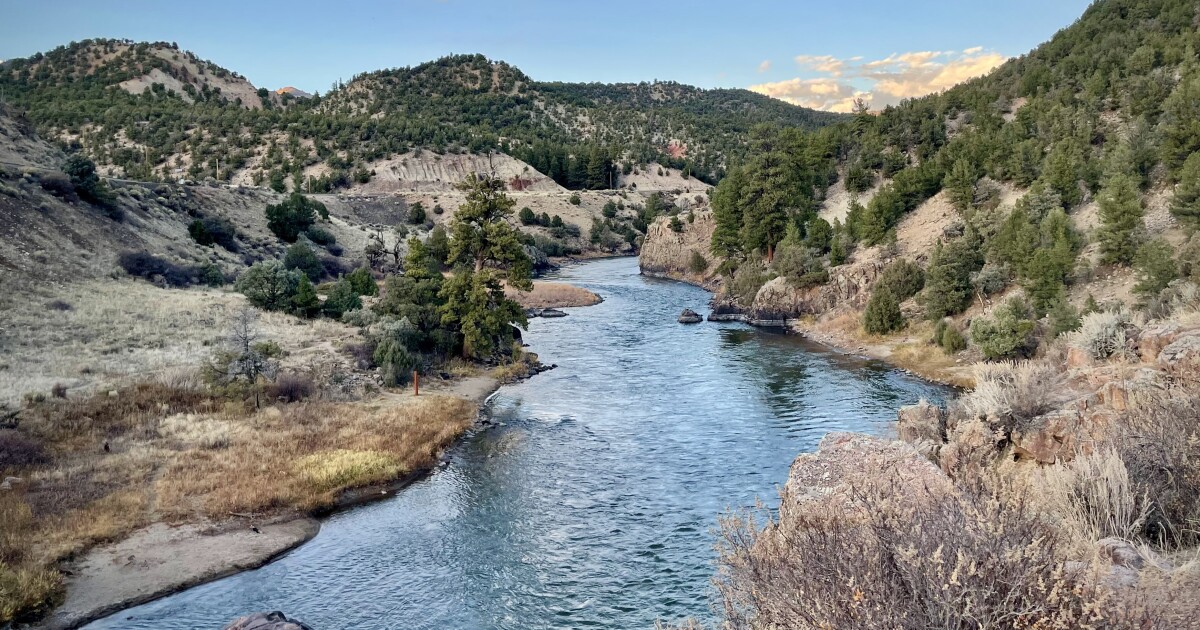
The urgency mounts for seven western states as they grapple with dwindling Colorado River water resources. A recent negotiation session in Salt Lake City has sparked insights into the complexities of reaching an agreement, yet tangible outcomes remain elusive.
Gene Shawcroft, representing Utah in these discussions, shared a candid reflection on the challenging dynamics between states. He remarked, “We got tired of each other,” acknowledging that while progress materialized on some days, setbacks on others threatened to erase gains achieved.
A fundamental challenge in the negotiations lies in the differing priorities of upper and lower basin states regarding water use reductions during periods of drought. This disagreement has led to an invitation from Interior Secretary Doug Burgum for a meeting in Washington on January 30. This meeting aims to facilitate further discussions among state representatives.
A spokesperson for Colorado's Governor Jared Polis confirmed the invitation, indicating that Polis “hopes to attend this meeting if it works for the other Governors.” In parallel, the U.S. Department of the Interior has issued an extensive playbook containing various strategies for the future management of the river.
John Berggren, an expert in water policy, underscored the necessity of unifying state interests, cautioning that without a consensus, innovative solutions may remain out of reach. “The fact that the states don’t have a seven-state agreement right now means that we can’t consider some of these really good, new, innovative tools,” he noted.
Exploring Future Management Strategies for the Colorado River
Berggren, who focuses on sustainable water practices, has outlined five federal proposals intended to guide the management of the river following August.
Basic Coordination
This approach allows for the unilateral enforcement of a standardized 1.48 million acre-feet of annual water reductions in the lower basin. Despite its potential for enforcement, Berggren regards this plan as insufficient, warning it could lead to system “crashes” detrimental to both Lake Powell and Lake Mead.
Enhanced Coordination
A more progressive strategy, this plan would create conservation pools designed to encourage water-saving practices and stipulate increasing contributions from upper basin states over time. The Interior Department describes this plan as one that “seeks to protect critical infrastructure while benefitting key resources.”
No Action
This option represents a return to operational standards from nearly two decades ago, offering no proactive measures for water conservation. Berggren warns that this could exacerbate system failures due to its limited authority over managing shortages.
Maximum Flexibility
Formulated by seven conservation organizations, this proposal aims to stabilize storage levels while promoting conservation efforts. It introduces a “climate response indicator” designed to adjust water releases based on recent climatic conditions.
Supply-Driven Alternative
This strategy bases water release decisions on supply data from the past three years, effectively creating a divide in the management of the upper and lower basins. Under this scenario, lower basin shortages could balloon to as much as 2.1 million acre-feet annually.
The public is invited to provide feedback on these management proposals until early March. Further details are available on the official site.