

Understanding Polling Trends in an Uncertain Election Landscape

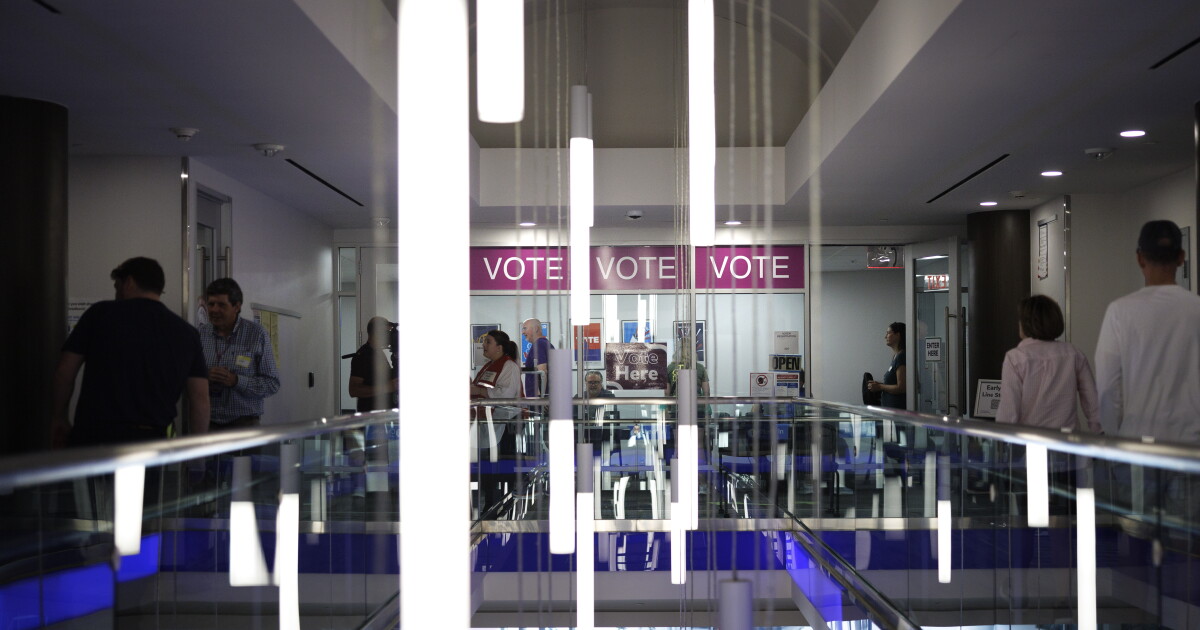
As the nation gears up for a critical election season, the surge of polling data can leave voters feeling both excited and anxious. Current trends show a subtle shift in the political atmosphere, favoring the Democrats more than anticipated at the onset of the electoral race. Understanding this influx of polling information is essential for navigating the uncertainties ahead.
Recent analyses, including various polls and campaign dynamics, indicate that Democrats may have a slight edge in the House races and are gaining significant traction in the Senate as well. Here are some vital insights to consider while interpreting the ongoing polling landscape:
Polls as Momentary Reflections
Polls serve as snapshots of public opinion at a given time, capturing the prevailing sentiments of those surveyed without forecasting future behaviors.
Interpreting Poll Accuracy
It’s important to recognize that polls are approximations rather than definitive statistics. A lead reported as 2 percentage points may fall within a margin of error of 3 points, suggesting that the competition might be much closer than it appears.
The Need for Credible Polling
Amidst a flood of polling data, discerning reliable sources is key. Many questionable polls arise either from unreliable methodologies or, at times, are produced by automated systems lacking transparency. Cases, like one recently highlighted where a pollster was identified as fraudulent, emphasize the need for scrutiny when evaluating poll results.
Weaknesses in Local Polling
The quality of polling at the state level has suffered due to decreasing resources available for local journalism, which hampers comprehensive polling efforts. Therefore, it's advisable to approach state-level poll averages with a degree of skepticism.
Looking Beyond the Numbers
While the top-line numbers often attract attention, polls can offer deeper insights into voter intentions, concerns, and preferences over time. Understanding the overall trends and attitudes can provide a more nuanced view of the electoral landscape, beyond just who is ahead at a moment.
With many races still tightly contested and millions of votes left to be cast, it remains challenging to make any firm predictions at this stage. Although competitive polling may garner headlines, it only scratches the surface of the intricate electoral dynamics at play.