

U.S. Health Care Crisis: Rising Costs and Industry Instability Threaten Access

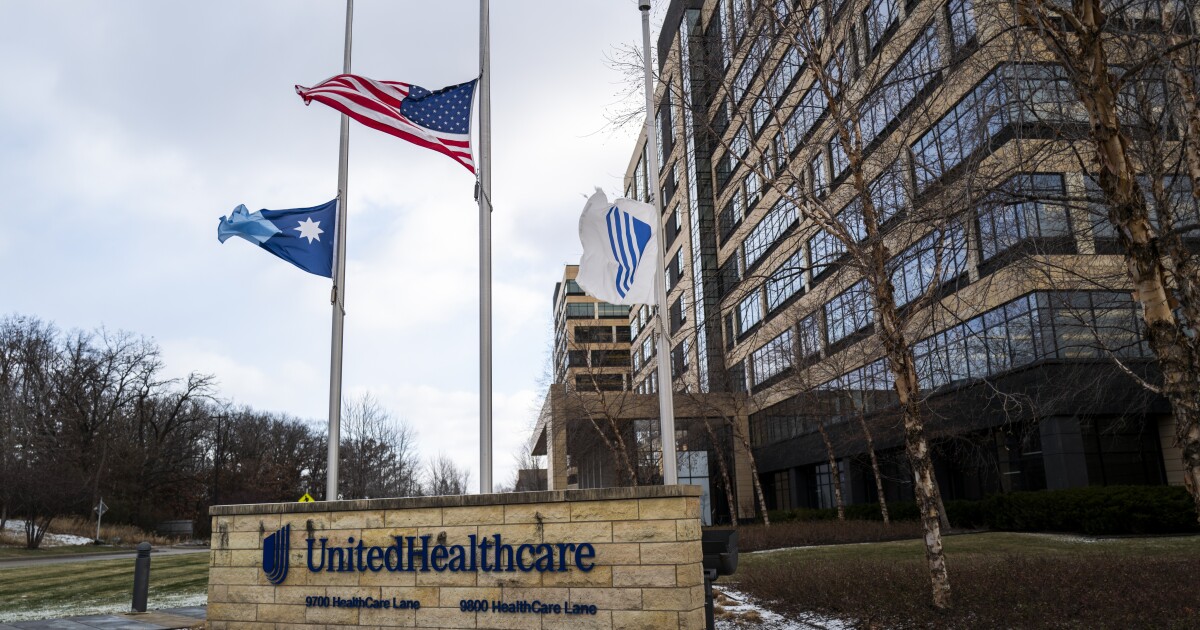
The growing challenges in the U.S. health care system are becoming increasingly evident as both consumers and industry leaders face a tide of issues stemming from rising costs and operational instability. In a climate marked by substantial financial pressures, the affordability of health care is becoming a pressing concern for many Americans.
Escalating Health Care Costs
Affordability of health insurance is declining sharply, with significant increases in premiums anticipated for the upcoming year. The rising expenses associated with employer-sponsored plans and Affordable Care Act (ACA) subsidies are placing added burdens on families already struggling in a health care system notorious for its costs.
Stock Performance Woes
Among the industry’s prominent players, UnitedHealth Group has experienced a significant decline in its stock, recording a drop of 44% over the past year. This decrease reflects broader trends in health care stocks, which have struggled to keep up with gains in the technology sector.
The Impact of a High-Profile Incident
A notable factor contributing to UnitedHealth's stock plummet was the tragic shooting of its CEO, Brian Thompson, on December 4, 2024, a shocking event that drew intense public scrutiny toward the company's practices and the overall affordability of health care. As noted by Julie Utterback, a senior equity analyst at Morningstar, “UnitedHealth’s reputation in the investment community, before December 4 last year, was [as] a safe place to put your money. And that basically got all blown up.”
Challenges Across the Industry
The difficulties experienced by UnitedHealth are indicative of larger sectoral challenges, including increasing regulatory scrutiny and growing skepticism from investors. Similar stock declines have affected other health care competitors, with analysts forecasting continued market volatility.
Consumer Concerns
Amid these financial strains, a staggering 50% of U.S. adults are reportedly worried about their ability to pay for necessary medical care in the coming year, as detailed in a recent Gallup poll. Individuals such as Jennifer Blazis from Colorado Springs exemplify the increasing anxiety over health costs, often delaying medical treatment to avoid overwhelming bills. She remarked, “We wait to go to the doctor because we know if we do, we’re going to get hit with just a massive bill.”
Insurer Financial Challenges
Insurers like UnitedHealth are also experiencing financial difficulties, primarily due to rising costs in the Medicare Advantage sector, complicating their financial landscape even further. UnitedHealth is currently under investigation by the Department of Justice, which adds to the pressures faced by the company.
Prospects for Investors
Despite these challenges, there remains a flicker of optimism among some investors. For instance, Berkshire Hathaway, led by Warren Buffett, recently acquired over 5 million shares in UnitedHealth, signaling potential confidence in the company’s rebound. Nonetheless, recovery is projected to be gradual, with UnitedHealth’s leadership aiming for sustainable growth by 2027.
Need for Investor Resilience
While the health care sector often attracts investments as a defensive option, experts stress the need for patience during this tumultuous time. According to Utterback, although a number of health care stocks may be undervalued, a recovery is likely to take several years, indicating a “murky outlook here for the next couple years, at least.”