

Tucson Community Voices Concerns Over Proposed ICE Detention Center
- Better American Media

- Oct 26, 2025
- 2 min read
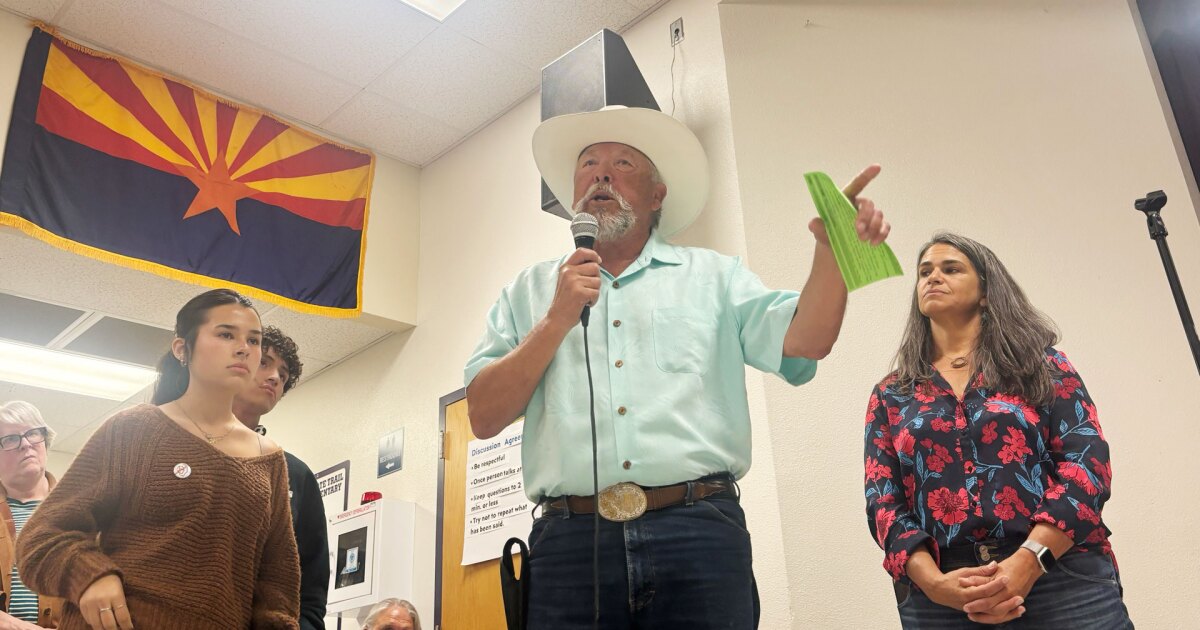
A significant public forum attracted more than 200 residents in Tucson, where the future of a proposed ICE detention facility in Marana was passionately debated. Hosted by Pima County Supervisor Jenn Allen, the town hall offered a platform for community members to voice their opinions and inquiries about the potential impact of such a facility on the local area.
Among the attendees was Joanna Ryan, a military veteran with ten years of experience as a correctional officer at a federal prison in Tucson. Ryan expressed strong opposition to the proposal, stating, “This is bad for Tucson, this isn’t what Tucson represents as a people.” She raised grave concerns regarding the reported inhumane conditions faced by detainees and the inadequate healthcare services available to both detainees and staff.
US military veteran and former prison guard Joanna Ryan poses for a portrait after a Tucson town hall event about a possible detention center in an old Marana prison.
Clement DeLarge, who has lived in Marana for an extended period and also served in the military, conveyed his apprehensions regarding the repercussions for local communities. His concerns included fears of increased ICE activity disrupting daily life at schools and places of worship. DeLarge commented, “That’s going to change everything for everybody around here,” while also pointing out the limited community awareness surrounding the proposed facility.
Clement DeLarge, a US military veteran and longtime Marana resident, speaks to panelists during a Tucson town hall event about a possible detention center in an old Marana prison.
As of now, the specifics regarding the facility remain vague, though Marana officials have been contacted about zoning requirements. MCL, a company involved in both prison and ICE detention operations, has yet to detail its plans for the decommissioned Marana prison property.
Raising critical points about the broader implications of immigration laws, Tucson resident Maximiliano Torres drew parallels with the previously enacted SB1070 law, stating, “They criminalized coming across the border without authorization, which is a civil misdemeanor, it’s not a criminal act.”
During the discussion, immigration attorney Mo Goldman pointed out the overwhelming burden the immigration system faces, noting that millions of cases are pending resolution while only a small number of judges are available to handle them. He posed the pertinent question, “Who actually pays for the detainment of these individuals?” emphasizing that taxpayer funding supports these private detention facilities.
Marana City Council member Patrick Cavanaugh acknowledged the community’s frustrations but clarified that the town's control over the establishment of the facility is limited. In the collective spirit of seeking clarity and addressing the community's anxieties, further town hall meetings might be organized.