

Trump Tariffs Reshape Online Shopping Landscape as Exemption Ends
- Better American Media

- Aug 28, 2025
- 2 min read
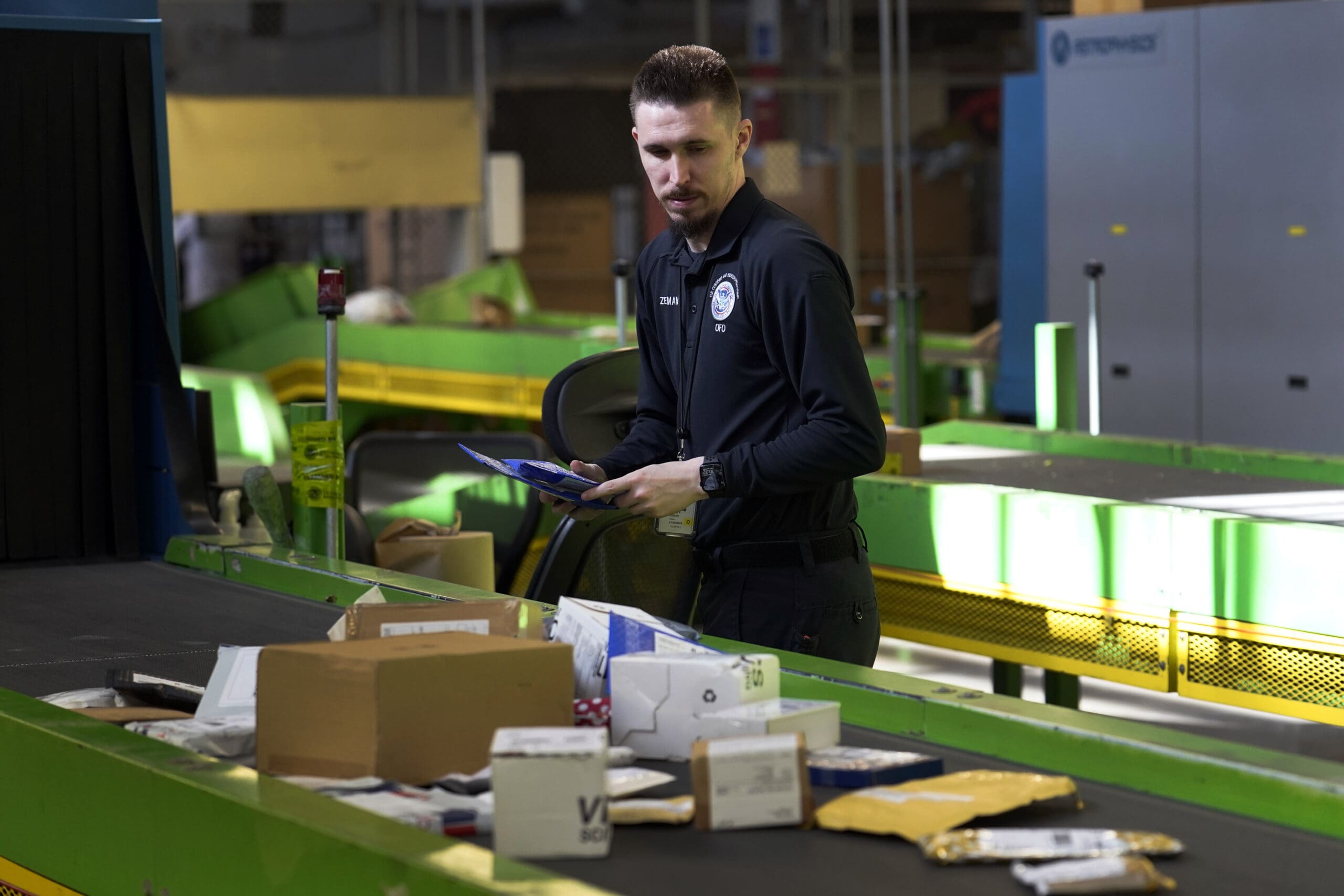
Changes to U.S. Duty-Free Package Imports as Tariff Exemption Ends
The impending termination of the de minimis exemption for incoming packages has sparked significant concern among American consumers and small businesses. This change, initiated by President Trump, will eliminate the duty-free allowance for packages valued under $800, creating potential disruptions in the cross-border e-commerce landscape.
Scheduled to take effect on August 29, this policy alteration follows an earlier implementation that restricted the exemption for shipments from China and Hong Kong. Now, it extends to all international shipments while still permitting tariff-free imports for gifts valued under $100. Experts warn that this shift may adversely affect both consumers who rely on a variety of international products and small businesses that depend on affordable overseas goods.
Rudolf Leuschner, a professor specializing in supply chain management at Rutgers University, noted the significance of the exemption, stating, “The de minimis exemption meant that low-value items weren’t worth the effort for customs to track and charge duties.” The White House’s executive order cited national security concerns, including drug smuggling, as one reason for this decision, despite findings indicating that only a small fraction of dangerous substances, such as illicit fentanyl, crosses through the Canadian border.
To mitigate perceived threats to national security and ongoing trade deficits, shipments from several countries—including Japan, the UK, and Singapore—have been halted. However, official correspondence and low-value gifts remain unaffected. Austrian Post has recently announced it will stop accepting parcels destined for the U.S. by August 26, attributing this decision to the changes in customs regulations. A spokesperson for the postal service remarked, “The rule that goods with a value of less than 800 US dollars may be imported duty-free has been abolished.”
Supply chain expert Jason Miller from Michigan State University anticipates that these changes will lead to a narrowing of product options for U.S. consumers as international retailers reconsider their shipping strategies. He explained, “Cross-border e-commerce and small businesses shipping small quantities could suffer significantly.”
Small online retailers, such as those on platforms like Etsy, might struggle to continue their sales to U.S. customers due to these new regulations. The removal of the exemption could disrupt business for companies that have thrived on the model of shipping low-cost items directly to American consumers. With the expected decrease in available options, many shoppers may experience challenges in accessing their desired products.
Looking ahead, analysts are doubtful that the de minimis exemption will be reinstated under the current administration, especially considering historical volatility in tariff policies. Miller added, “This looks like a revenue collection effort by the administration and is unlikely to change unless businesses strongly oppose.”