

Trump Blocks Negative Economic Report to Preserve Agriculture Narrative
- Better American Media

- Jun 4, 2025
- 2 min read
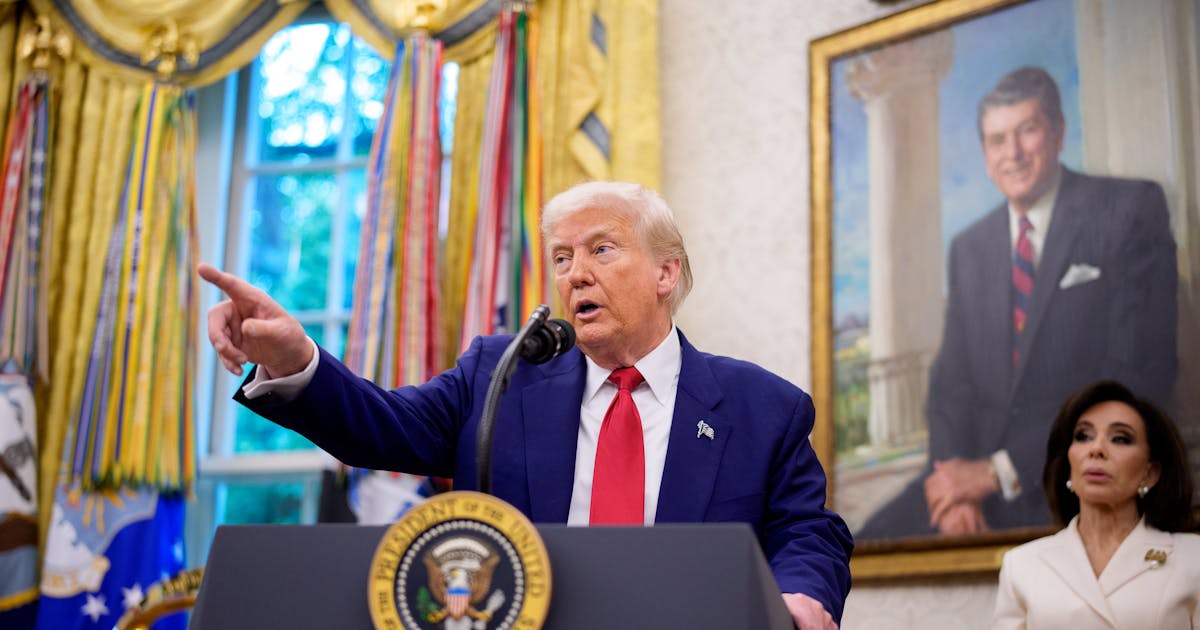
Recent revelations indicate that the Trump administration took actions concerning an upcoming agricultural trade report, which forecasts a widening trade deficit in farm goods, a significant contradiction to President Trump's stated goal of revitalizing domestic agriculture. The timing and content of this report have raised concerns about transparency in government communication.
According to a report from Politico, officials within the Trump administration delayed the report's release by five days. The numbers ultimately published in the report reportedly matched those in the original unredacted version, suggesting that the delay did not change the outcome of the data regarding imports and exports.
This quarterly report, produced by the Department of Agriculture, is a key resource for farmers, traders, and lawmakers needing information about the U.S. agricultural market. Critics argue that the administration's delay signifies a willingness to compromise government transparency when faced with data that does not support its economic narrative. As stated by USDA spokesperson Alec Varsamis, “The report was hung up in internal clearance process and was not finalized in time for its typical deadline.” He further noted, “Given this report is not statutory as with many other reports USDA does, the Department is undergoing a review of all of its non-statutory reports, including this one, to determine next steps.”
The potential release of a complete unredacted report remains uncertain. Joe Glauber, a former chief economist at USDA, emphasized the importance of impartiality in these reports. He said, “Objectivity is really key here and the public depends on it. To lose that trust would be terrible.”
This incident points to a larger discussion around agricultural trade balances and how they reflect broader truths about U.S. economic policies that may affect domestic production capabilities. The implications of these trade deficits extend beyond numbers—they can influence policy and public trust in government communication.