

Schools Tackle New Dietary Guidelines Amid Budget Constraints and Trends

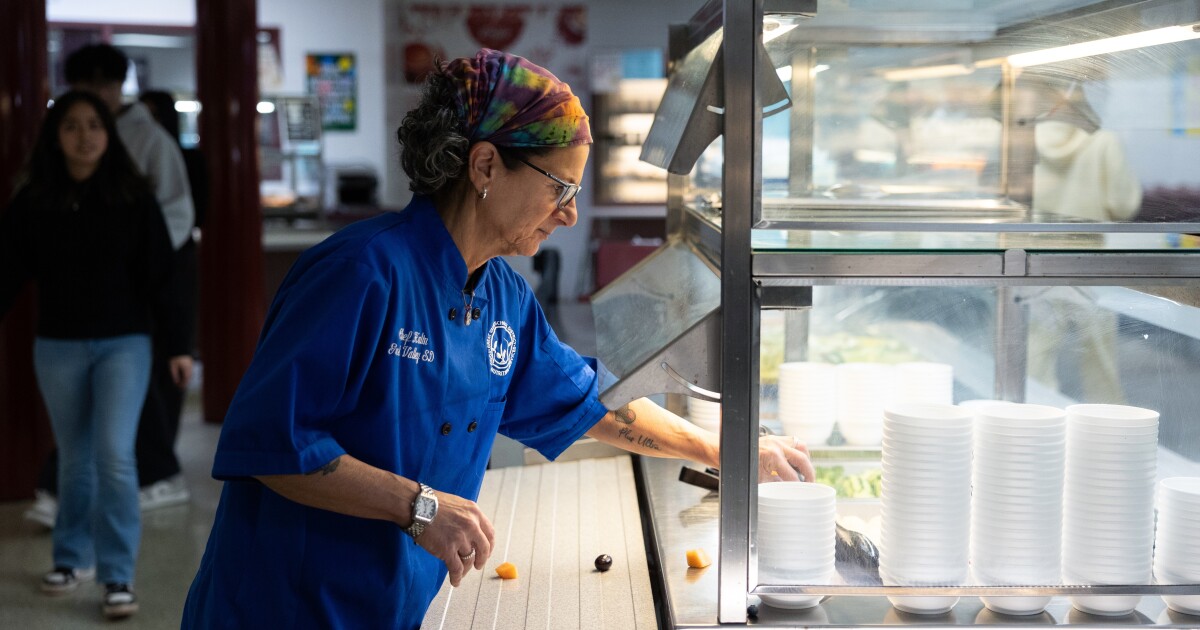
As schools across the United States face an evolving landscape in dietary expectations, students are increasingly vocal about their lunch preferences, influenced heavily by social media trends. In Malvern, Pennsylvania, the Great Valley School District is embracing these shifts while grappling with budget constraints and staffing challenges.
Rising Expectations Among Students
Students today are more engaged with their food options than ever before, often requesting dishes they've seen on platforms like TikTok. Nichole Taylor, the district's supervisor of food and nutrition services, shared, "I don’t have a TikTok account, but they’re telling me, 'Hey, I saw this on TikTok. Can you make this? Can we do this?'" This is a notable shift from previous generations, where students generally accepted what was provided without question.
New Dietary Guidelines: A Double-Edged Sword
The challenge for school districts, including Great Valley, is aligning these desires with new national dietary guidelines introduced by Health Secretary Robert F. Kennedy Jr. in January. These guidelines advocate for reduced processed foods and emphasize “high-quality, nutrient-dense” proteins. While these standards are aimed at promoting better health for students, they also raise concerns about increased meal preparation costs.
Many districts rely on processed foods due to their lower cost and ease of preparation. Currently, the U.S. Department of Agriculture (USDA) reimburses schools approximately $4.60 per meal for free lunch students, a figure that has not kept pace with rising food prices, particularly for protein sources.
Funding Cuts and Their Implications
Budgetary pressures are exacerbated by recent reductions in federal and state funding aimed at supporting local food sourcing. The USDA's termination of the Local Food for Schools program, for example, resulted in a significant loss of approximately $660 million, which previously helped schools purchase unprocessed foods from local farmers.
Despite these challenges, Taylor remains committed to enhancing the district's meal offerings and insists on maintaining a focus on healthful nutrition. “We want to follow the guidelines, because we are that voice that says, 'No, you can eat healthy and still eat really well.' But we also have to be realistic and say we need the funding for it,” she said.
Implementing Changes Amid Budget Constraints
Schools are attempting to enhance their offerings with fresh ingredients, as demonstrated by the hiring of a culinary coordinator at Great Valley to facilitate menu innovations and staff training in food preparation. Jenifer Halin, who took on this role in December, has already made strides in using fresh ingredients instead of frozen pre-prepared items.
Efforts to align with the new dietary guidelines require addressing the operational challenges of shifting from highly processed options to homemade meals, which often demand greater labor and better kitchen facilities.
Parents and Students Respond
Parents and students have noted the improvements in lunch quality; student feedback is encouraging as they experience new, healthier options. According to Varun Kartick, a senior at Great Valley High School, "It started with like one day randomly they had this grilled cheese and tomato bisque, and it was like ancient-grain bread, and everyone was like, ‘It tasted like Panera.’" This positive reception indicates a willingness among students to embrace healthful meal changes.
The Road Ahead
The success of these initiatives will depend heavily on adequate funding and resources. Education administrators are urging federal lawmakers to enhance reimbursement rates to support robust and sustainable school meal programs that meet the nutritional needs of students. As one nutrition director articulated, “It all comes down to funding. The sky would be the limit if we had the funding. We could cook all day long.”
In aiming to make healthy eating the norm within schools, districts like Great Valley see the need not just for operational adjustments, but a broader commitment to revamping how school meals are perceived and provided.