

Rising Gas Prices Are Hitting Lower-Income Families Hardest — And the Data Shows Just How Wide the Gap Is Getting
- Better American Media

- May 6
- 3 min read
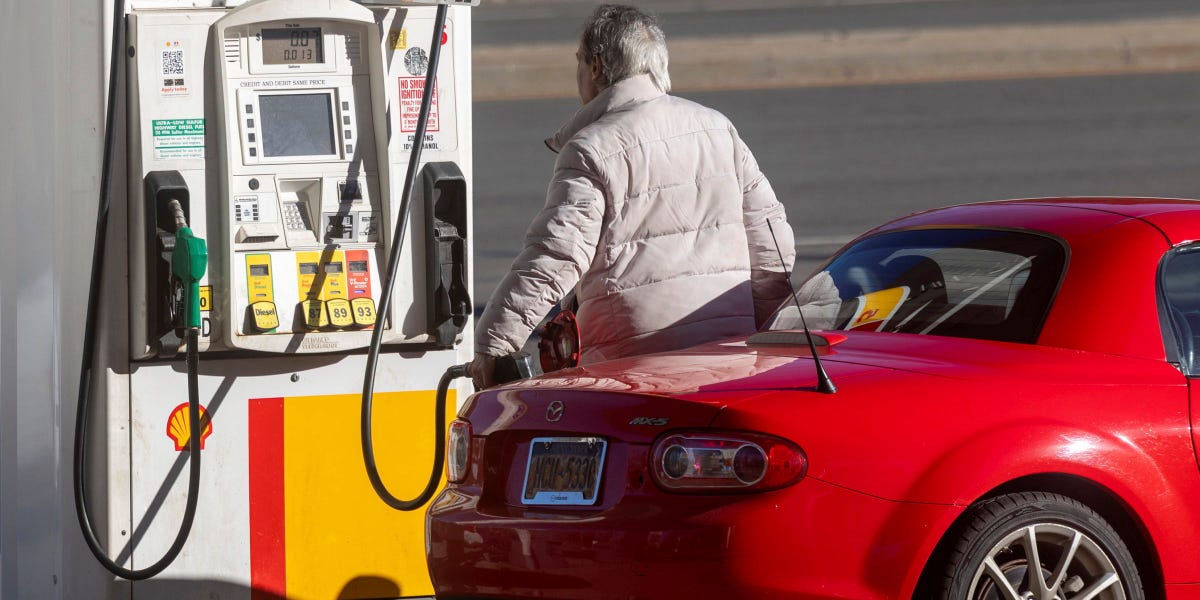
Every time Americans pull up to the pump, they're not all feeling the same pinch — and new research shows the gap between those who can absorb rising gas prices and those who can't is getting wider. For lower-income families, the surge at the station isn't just an inconvenience — it's forcing real changes in how they live and get around.
A new report from the Federal Reserve Bank of New York found that rising fuel costs are hitting American households in dramatically different ways depending on how much money they make. While gas prices have gone up for everyone, what families are actually doing in response — how much fuel they're buying, how often they drive — tells a sharply divided story.
According to AAA data, the national average for regular unleaded gas sat at approximately $4.54 per gallon as of early May — up from $4.12 a month prior and a steep jump from $2.98 at the end of February, around the start of the Iran war. That's a $1.56-per-gallon increase in just a few months, and the relief that briefly appeared in April didn't stick.
Higher Earners Absorb the Hit. Lower Earners Can't.
All income groups — low, middle, and high — saw their dollar spending on gas climb sharply. But the researchers found that when you account for those higher prices and look at how much gas people are actually purchasing, the picture splits in two.
Higher-income households are largely eating the price increases. They're spending more at the pump, but they're still buying nearly as much gas as before. Lower-income households, by contrast, are spending less and buying significantly less fuel — suggesting they're driving less, combining errands, carpooling, or turning to public transit where it's available.
Researchers Rajashri Chakrabarti, Thu Pham, Beck Pierce, and Maxim Pinkovskiy put it plainly: "Lower-income households increased spending by much less and decreased real consumption by much more, potentially by carpooling or substituting to public transit where available."
For many working families, this isn't just about skipping a weekend road trip. It can mean fewer trips to the grocery store, cutting back on driving to medical appointments, or struggling to get to work reliably.
What Is the K-Shaped Economy?
This pattern is a textbook example of what economists call the growing economic divide — or more specifically, a "K-shaped economy." The idea is simple: imagine the letter K. The upper branch points upward, representing higher earners whose financial situation is stable or improving. The lower branch points downward, representing lower earners who are falling further behind.
According to the research, American households began diverging along this K-shaped path again in 2023, after a brief period during the pandemic when stimulus money, wage increases, and expanded job opportunities gave lower-income workers a temporary boost. That window has closed.
Today, higher earners hold a larger share of financial assets like stocks, which can appreciate even during turbulent times. Lower earners, meanwhile, are more exposed to inflation — meaning rising prices for everyday necessities like food, rent, and gas take a bigger bite out of their budgets.
What Families Can Do Right Now
While no consumer can single-handedly change what gas stations are charging, there are practical steps families can take to control their gas spending. David Bennett, senior automotive manager at AAA, recommends starting with the basics — keeping your car in good shape.
Bennett advised drivers to check tire pressure regularly and pay attention to dashboard warning lights, since a poorly maintained vehicle burns more fuel. He also suggested consolidating errands into fewer trips, removing unnecessary weight from your car, and looking into fuel rewards programs offered by grocery stores, gas station chains, and credit card companies.
"Take care of your vehicle, and it'll take care of you," Bennett said. "Take your time when you're on the roads, plan accordingly, plan ahead."
Even with these strategies, the reality is that higher gas prices remain largely unavoidable — and for lower-income Americans, the squeeze may mean pulling back not just on daily drives but on vacations, family outings, and other leisure trips that many households count on as a break from the grind.