

Michigan's New Tax Credits to Propel Affordable Housing Growth
- Better American Media

- Jul 10
- 2 min read
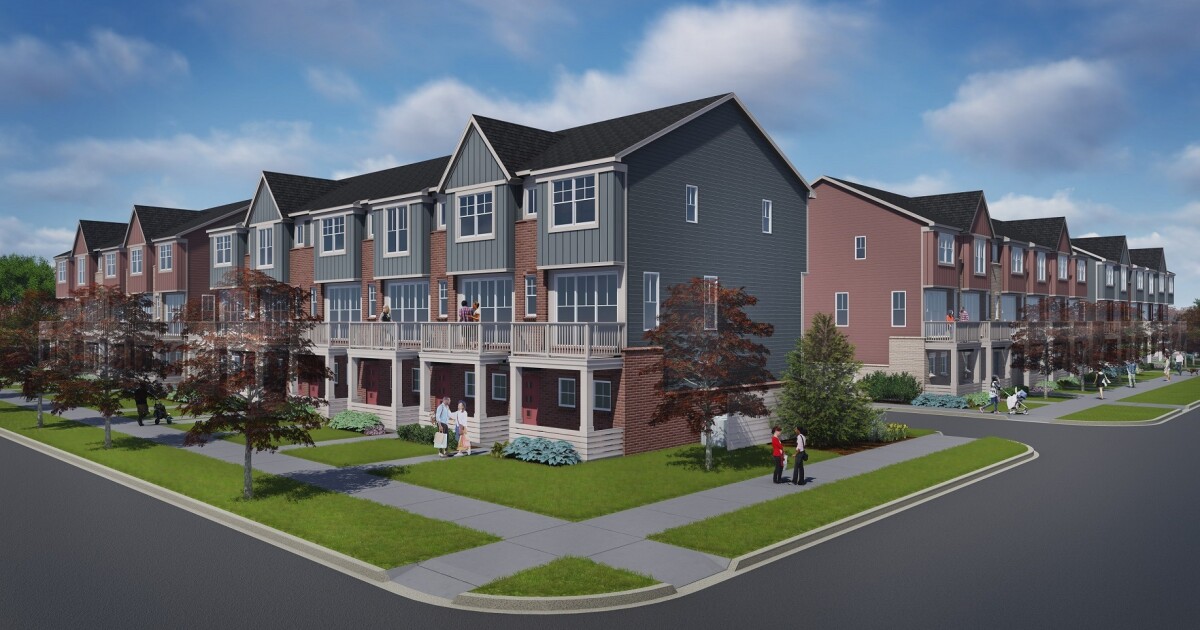
Michigan's New Legislation Aims to Enhance Affordable Housing Development
The Michigan Legislature has taken a significant step toward addressing the affordable housing crisis by passing a new state tax credit initiative. This legislation is now on the verge of becoming law, pending the signature of Governor Gretchen Whitmer. The newly proposed tax credits are designed to complement federal incentives, encouraging the construction of affordable housing throughout the state.
Recent analyses indicate that Michigan is notably one of the few states without such incentives for affordable housing development. Senator Jeff Irwin, who leads the Senate Housing and Human Services Committee, has championed this initiative, identifying it as a critical component of a long-term strategy to solve the state's ongoing housing challenges.
According to Senator Irwin, “This provides some new policy that will create thousands of new units.” He pointed out that these new laws need to be accompanied by additional measures, particularly investments aimed at assisting first-time homebuyers and supporting those moving out of homelessness.
Despite the optimism surrounding the bill, Irwin also noted that implementation will take time. “These units have to be planned, they have to be built,” he clarified. “So, it’s going to take a couple years to start to see units come online, but we’ve got to start planning now if we want to build them tomorrow.”
Furthermore, the proposed measures include incentives for the use of locally sourced building materials, which are intended to boost the local economy while also enhancing the housing infrastructure. Governor Whitmer has shown strong support for initiatives that leverage tax credits to promote affordable housing solutions.
The bipartisan support for these bills, which were passed just before the summer recess, underscores a collective commitment to addressing the serious housing shortages faced by many Michiganders.