

Michigan Budget Negotiations: School Funding Stalemate Continues

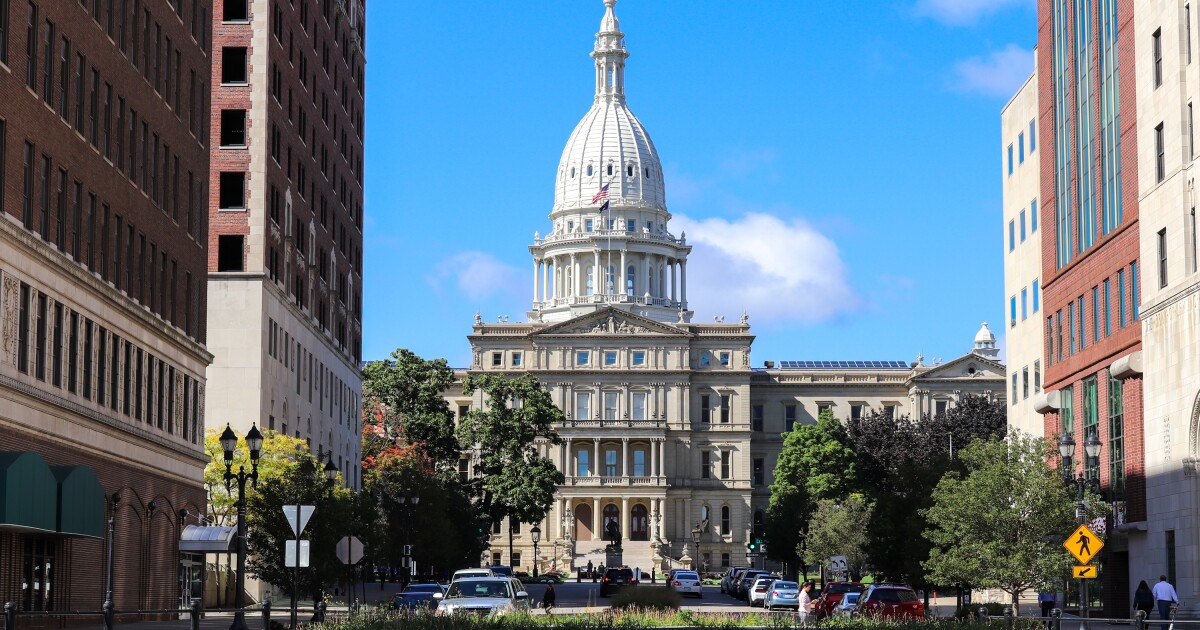
Michigan Lawmakers Face Challenges in Budget Negotiations
As Michigan legislators reconvene at the Capitol after a two-week recess, the state budget, especially concerning funding for educational institutions, remains a contentious issue. The ongoing stalemate is creating uncertainty for school districts as they strive to finalize their budgets without clear financial guidance.
Robert McCann, the Executive Director of the K-12 Alliance of Michigan, expressed concerns about the lack of substantial progress in the negotiations. He stated, “There hasn’t been a lot of conversation around the last couple of weeks that there’s been earnest negotiations happening, that there’s been progress made toward getting this deal done. It’s just been very quiet instead.”
The state Senate, which is controlled by the Democratic Party, advocates for a unified approach to pass the entire budget package at once. However, this strategy is met with resistance from the predominantly Republican House, which has not yet disclosed much of its departmental budget framework. This division leads the House to prefer a simultaneous discussion on funds for schools and road infrastructure.
Transportation advocates are pressing the importance of addressing road funding promptly. Ed Noyola, who serves as the legislative director for the County Road Association of Michigan, emphasized the urgency by stating, “Doing nothing is not an option right now. We’re doing the minimum repairs [and] improvements to our infrastructure. And I’m pretty sure the cities and the villages are doing the same thing. So, the sooner the Legislature acts on this, the better off we’ll all be.”
Noyola also pointed out that road funding does not necessarily have to be tied to school funding, suggesting a need for a separate $3 billion investment in road infrastructure, irrespective of House proposals or the governor's alternative plans.
Concerns about intertwining road and school funding persist among McCann and other education advocates, who fear this may result in the misallocation of essential educational resources. Moreover, there continues to be a debate regarding the distribution of funds—whether to earmark them for specific programs, such as free school meals, or to grant districts broader financial autonomy.
Critiquing the current timeline of discussions, McCann noted, “Those are conversations that need to be held in February, not in July. We can’t be opening our doors to students over the summer and into the fall and radically reshape how funding works. That would send countless districts into deficit.”
While the Republican House speaker has recognized some school funding preferences from Democrats in potential budget considerations, Democrats are insisting on a more thorough examination of the budget before any movement can occur.