

Lake Mead Sets Historic Low as Water Crisis Deepens in the West
- Better American Media

- Aug 9
- 2 min read
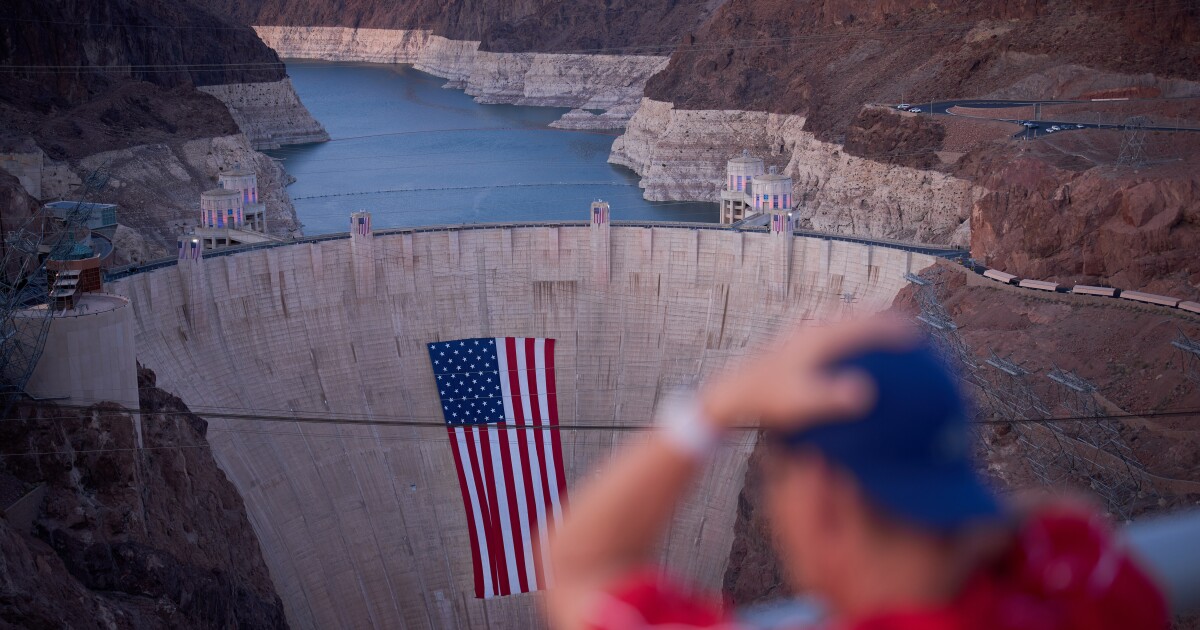
Lake Mead Reaches Record Lows Amidst Critical Water Shortage in the West
Located on the Arizona-Nevada border, Lake Mead has hit a historic low water level, signaling an escalating water crisis in the western United States. As the nation’s largest reservoir, its declining water levels pose significant implications for the millions reliant on this critical resource.
As of this past Friday, Lake Mead measured at 1,040.4 feet above sea level, as recorded by federal officials. This reading marks a slight decrease from the previous record low documented in July 2022, according to the U.S. Bureau of Reclamation.
J.B. Hamby, chairman of the Colorado River Board of California and a member of the Imperial Irrigation District, underscored the situation’s gravity by stating, “It’s extremely significant and extremely concerning. You have three-quarters of the population of the Colorado River Basin, some 30 million people, who are directly impacted by risks to Lake Mead.”
Amid ongoing severe drought conditions, particularly affecting the Colorado River's source in the Rocky Mountains, there is an urgent call for states that utilize the river's resources to cut back on water use.
Recent reports indicate that the Colorado River suffered through its lowest snowpack on record this past winter, further complicating water management across agriculture, wildlife, and power generation sectors. This crisis affects approximately 40 million individuals across seven U.S. states, including various tribal nations and parts of Mexico, as noted in a recent report.
The levels in both Lake Mead and Lake Powell, the second-largest reservoir in the United States, represent a 70-year low, attributed to climatic changes, overuse, and rising temperatures.
To mitigate the increasing resource scarcity, federal agencies decided not to release cool water from Lake Powell’s Glen Canyon Dam, a measure intended to protect the habitat of the humpback chub, an indigenous fish species.
After states dependent on the Colorado River were unable to formulate a long-term water-sharing plan, federal authorities introduced a temporary strategy. This plan proposes decreased water allocations for Lower Basin states, including Arizona, California, and Nevada. The Bureau of Reclamation's approach is flexible, allowing for deeper cuts during periods of serious drought while providing states the opportunity to negotiate better resource management.
The Interior Department plans to implement significant changes in water-sharing agreements, with particular emphasis on potential cuts that could impact regions such as Phoenix and central Arizona.
Recent drought impacts noted in a 2022 report have dramatically affected Lake Mead, leading to the exposure of human remains and obliging Las Vegas to seek deeper water sources to maintain its water supply. Efforts are also underway to manage the declining levels at Lake Powell, with adaptations required for access and infrastructure.
The Bureau of Reclamation monitors 54 reservoirs across the West, of which nine have recently reached their lowest points in three decades, as illustrated on their dashboard.
Moreover, projections forecast further declines in Lake Mead's levels through the remainder of the year, highlighting the pressing need for immediate and effective water management strategies in the region.
Associated Press writer Michael Phillis in Washington contributed.