

ICE Grievance System Fails Detainees, Highlighting Oversight Issues
- Better American Media

- 3 days ago
- 3 min read
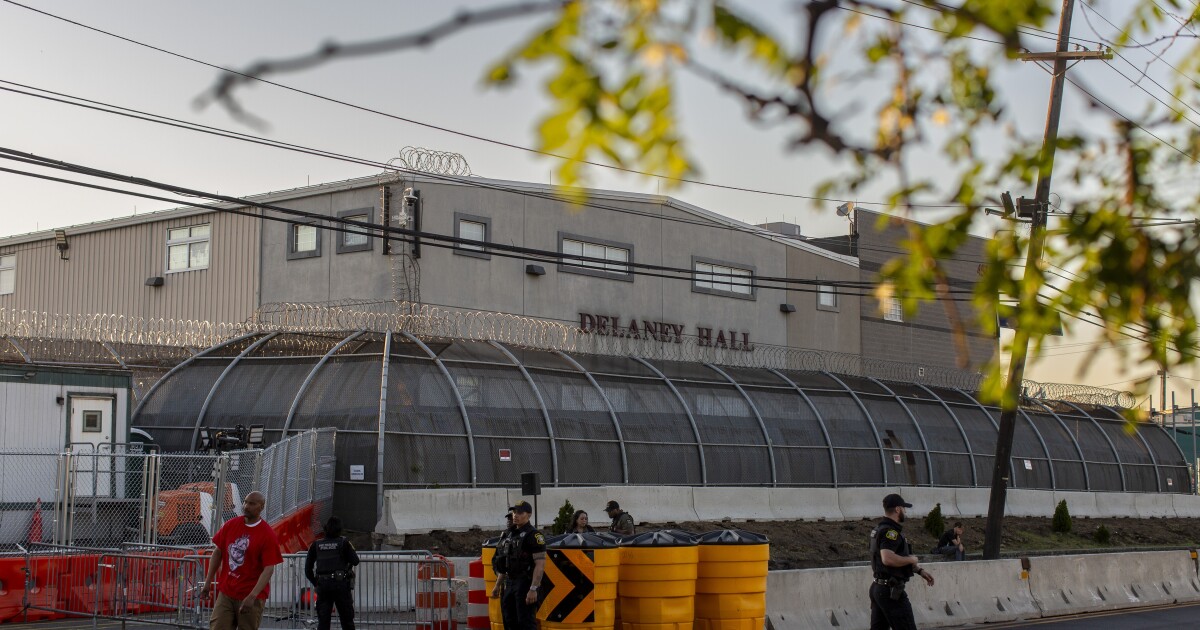
Failures in the Immigration Detention Grievance Mechanism Raise Concerns
The integrity of the U.S. immigration detention grievance system is being increasingly questioned, as detainees report a lack of effective channels to report mistreatment or negligence. This troubling trend continues amidst the rollback of key oversight structures that were originally meant to protect vulnerable individuals within detention facilities.
A recent investigation by NPR exposes the shortcomings of the existing grievance system, which was intended as a reliable means for detainees to document and report issues such as mistreatment and inadequate medical care. Regrettably, reports indicate that this system not only falls short but may also lead to retaliation against those who dare to file complaints. The decline in effectiveness is mirrored by the Trump administration's elimination of essential monitoring offices, as noted in an NPR report.
Tragic Outcomes Amidst Grievance System Failings
P alarming statistics reveal a steep rise in fatalities within detention facilities, with at least 53 deaths reported since the onset of President Trump's second term. Detainees and their families attribute these tragic outcomes to a lack of oversight and failure to adhere to established grievance protocols.
The Case of D.E.
The disarray within the grievance system is underscored by the account of D.E., a detainee suffering from a serious medical condition. During his incarceration at a California detention center, he experienced ineffective medical treatment that exacerbated his health issues. Despite his attempts to file grievances regarding his medical care, he received inadequate or no responses, illustrating a breakdown in the system designed to address such urgent needs.
Oversight Deficiencies and Their Implications
The failures of the grievance system reflect a broader issue of oversight within immigration detention facilities. As highlighted by former officials like Chris Brundage, the grievance processes are overly complicated and inconsistent, varying significantly based on different contracts. This has contributed to widespread failures in compliance and care.
Moreover, significant budget cuts have deprived the offices responsible for monitoring detention conditions, like the Office of Detention Oversight and the Immigration Detention Ombudsman’s office, of their resources and capability to conduct necessary inspections and handle detainee grievances effectively.
Lack of Transparency Hinders Accountability
The absence of mandatory reporting on grievance data further complicates the scenario, leaving lawmakers and advocacy groups at a disadvantage when trying to uncover systemic issues. Some view this opacity as a tactic to obscure the true state of conditions within the detention centers.
The ACLU of Northern California, in partnership with the California Collaborative for Immigrant Justice, has presented findings that demonstrate high rejection rates of grievances and a general failure to deliver remedies for detainees facing distressing circumstances.
Obstacles Facing Oversight Efforts
Lawmakers have faced considerable challenges in their attempts to oversee detention facilities effectively. Congressman Joaquin Castro from Texas has reported significant obstacles in accessing facilities and speaking with detainees, which hampers accountability efforts. Despite these barriers, legal challenges persist, including a notable class-action lawsuit in California that has mandated improvements in detention conditions and the implementation of independent monitoring.
Outcomes for D.E.
D.E.'s challenging experience culminated in his release after months of inadequate medical care following a legal petition. His situation illustrates the pressing necessity for a robust grievance mechanism that can ensure immediate and compassionate responses to detainees' needs.
The collapse of oversight in immigration detention centers not only poses health risks to detainees but also raises critical questions about the overall efficacy and accountability of the system.