

Haley Stevens vs. Abdul El-Sayed: Michigan Senate Primary Showdown
- Better American Media

- Jul 9
- 2 min read
Michigan's Democratic Senate Primary: Diverging Paths and Strategies
As the Democratic primary for the U.S. Senate seat from Michigan intensifies, candidates are delineating their contrasting strategies. U.S. Representative Haley Stevens is championing her established track record in elections, while her competitor, Abdul El-Sayed, is promoting a bold progressive agenda. The outcome of this primary is increasingly important as part of the Democrats' broader quest to secure a Senate majority.
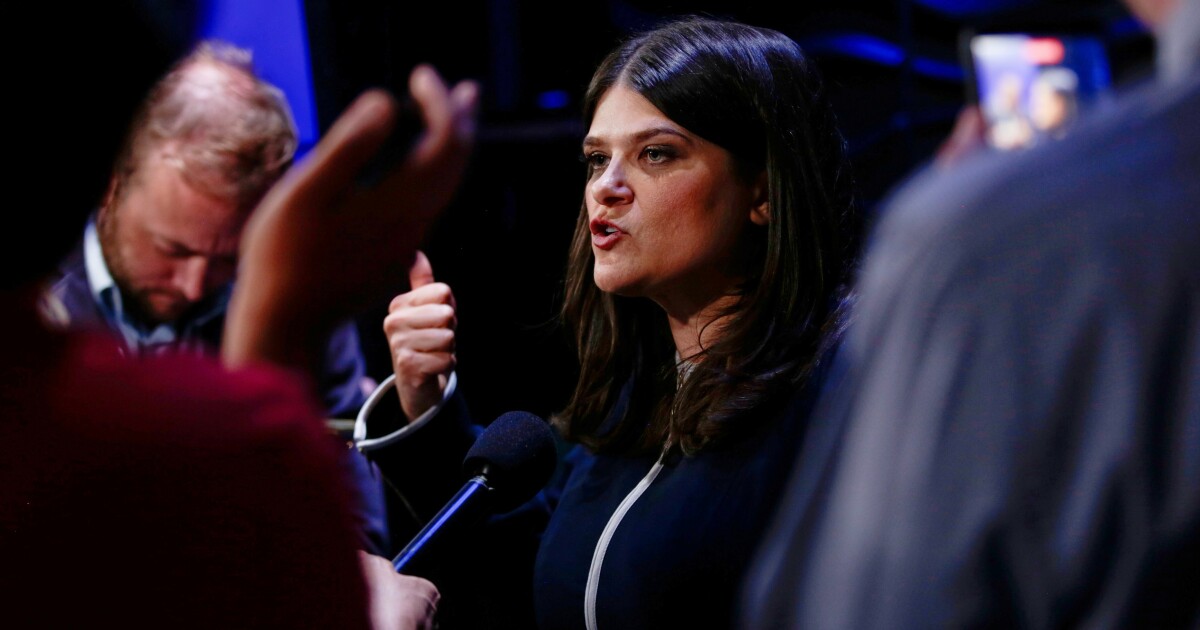
Stevens, who flipped a Republican seat in suburban Detroit during the 2018 elections and successfully defended her position in a competitive primary in 2022, underscores her experience. “It is not a hypothetical that I beat Republicans,” she stated in an interview with The Associated Press, aiming to present herself as the more viable choice for the general election against Republican candidate Mike Rogers.
The urgency for Democrats to maintain the Senate seat is palpable, particularly in light of the challenges faced in other states. Following the withdrawal of Maine's Democratic Senate nominee Graham Platner due to allegations of sexual misconduct, the stakes have risen in Michigan, where historical voting trends have favored Democratic candidates since 1994.
The Differing Appeal of Candidates
El-Sayed presents a more progressive vision, focusing on proposals like Medicare for All and the dismantling of ICE, appealing to a segment of the electorate that desires significant reforms. His campaign distinguishes itself by rejecting contributions from corporate PACs, reflecting a commitment to grassroots fundraising.
Supporters of El-Sayed argue for a Democratic Party that is bold and transformative rather than one that merely aims for electability. Dave Burdick, a resident of Douglas, Michigan, emphasizes that the party should prioritize bold policies over wider appeal.
Stevens' Personal Engagement with Voters
In contrast, Stevens focuses on personal interactions, engaging with constituents at local venues and community events. Her campaign strategy involves direct conversations about legislative matters, as seen during a recent visit to a South Haven pet store where she connected with patrons and staff. “I thought she was great fun,” shared store owner Roxanne Leder, reflecting on Stevens' engaging personality.
While Stevens may lack the viral campaigning moments that have helped El-Sayed gain visibility, she argues that her method of in-person engagement resonates more with the voters. “Unlike my opponent, I’m not running at the first mic or camera I see,” she remarked during a debate, suggesting her focus leans towards substantive discussions rather than media attention.
Shifting Dynamics in the Primary Race
The landscape of the primary has evolved following State Senator Mallory McMorrow's decision to suspend her campaign, leading to heightened endorsements for Stevens from prominent Michigan Democrats. Attorney General Dana Nessel praised Stevens for her intelligence and relatability, framing her as the pragmatic choice for the party.
Conversely, El-Sayed has gained traction among labor organizations, particularly with backing from the United Auto Workers. The grassroots organization Fems for Dems has not officially endorsed either candidate, though its founder, Lori Goldman, expressed support for El-Sayed, indicating a demand for leaders willing to push for substantial change in the face of traditional political norms.
Goldman highlights a shift among voters, noting that many are breaking away from typical party alignments in favor of candidates offering transformative visions. “People want change,” she commented, signaling a potential transformation in voter preferences in the Democratic primaries.