

Federal Budget Cuts Endanger Essential Resources for Northwest Tribes
- Better American Media

- Sep 28, 2025
- 2 min read
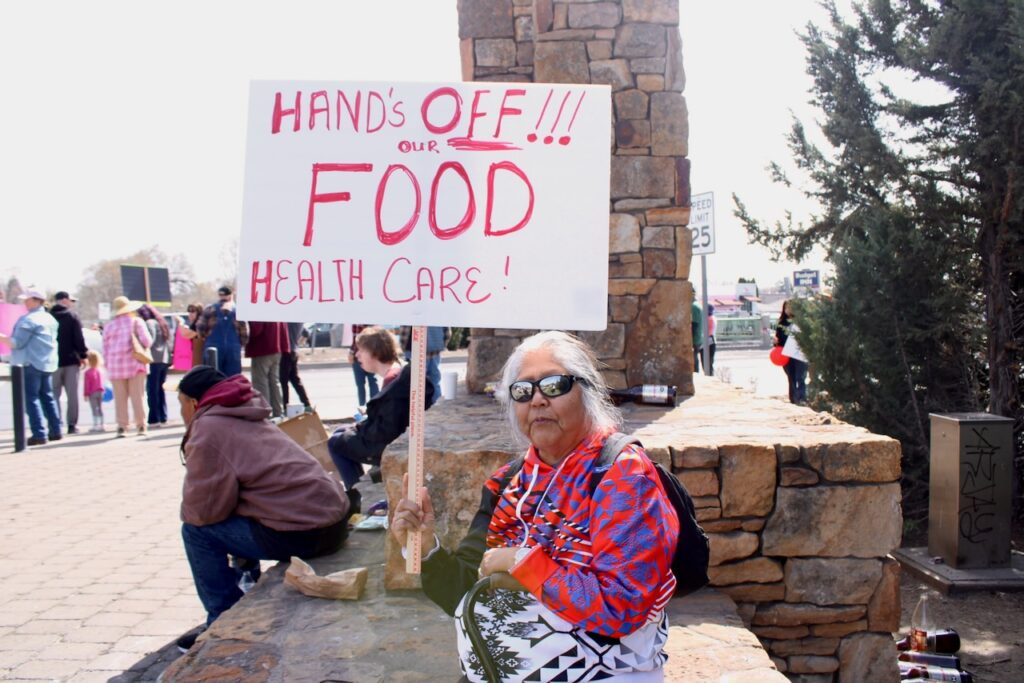
Recent analysis from a Portland State University report indicates that significant cuts to federal funding could jeopardize nearly half of the resources allocated to Native American and Alaska Native nations in the Northwest. With the proposed budget for fiscal year 2024, $530 million out of $1.19 billion designated for these tribes is at risk. These funds are crucial in supporting essential services, including clean drinking water, housing, and educational initiatives that fulfill federal trust and treaty obligations.
Tribal leaders and environmental advocates have voiced serious concerns about the potential impact of these budget reductions on key programs that ensure health, education, and resilience against climate change. Serina Fast Horse, co-director of the Northwest Environmental Justice Center, underscored the risks to funding aimed at climate adaptation—critical expenditures for managing issues such as home insulation against weather extremes, land stewardship, and preparations for natural disasters like wildfires and droughts.
Furthermore, funding earmarked for the Environmental Protection Agency (EPA) to support air quality monitoring in Northwest tribes is also in jeopardy. Nearly $2 million had been designated for this purpose in 2024, but broad federal budget cuts could significantly affect the agency and various programs within the Department of the Interior.
Leaders from tribal communities express concern that cuts in these areas might violate federal promises to maintain tribal sovereignty and resource rights. William E. Ray Jr., chair of the Klamath Tribes, remarked, “All the funding reductions addressing clean water, air and dealing with climate change have impacts on the Tribes’ culture and treaty protected resources.”
Notably, some tribal officials have refrained from public comments on this issue due to fears of potential backlash. Oregon Senator Jeff Merkley has been vocal in his criticism of the proposed budget cuts, characterizing them as a significant betrayal of tribal communities. He stated, “Trump and Congressional Republicans are wreaking havoc on Tribal communities with their ‘Big, Ugly BETRAYAL’ of a law that arbitrarily cuts many programs,” emphasizing the necessary federal support for vital services like health care and education.
The PSU report further indicates that, in 2024, the Inflation Reduction Act will provide funding for 15 projects across 12 tribes in the Northwest, addressing air quality and pollution, particularly for at-risk populations. The act has facilitated a substantial increase in tribal funding for infrastructure projects, rising from $1.51 billion to $3.94 billion.
Researchers conducted a thorough analysis of 469 programs that are likely affected by the reversal of Biden’s Executive Order 14008, identifying that directly impacted programs represent 35% of federal tribal investments for 2024. According to the U.S. Government Accountability Office, restricted access to federal resources further exacerbates existing disparities faced by Native Americans and Alaska Natives.
Since 2010, tribes in Idaho, Washington, and Oregon have received about $2.81 billion in federal funding focused on energy and environmental projects. The report asserts that many of these tribal investments not only improve conditions for Indigenous communities but also foster regional economic development. Co-author Bobby Cochran highlighted the historical context, stating, “We just haven’t made a major investment in infrastructure since the ’60s or ’70s, so this wasn’t fluffy.”