

Detroit Mayoral Debate Highlights Crime, Infrastructure, and Future Plans

Key Issues in Detroit’s Mayoral Race: A Debate Recap
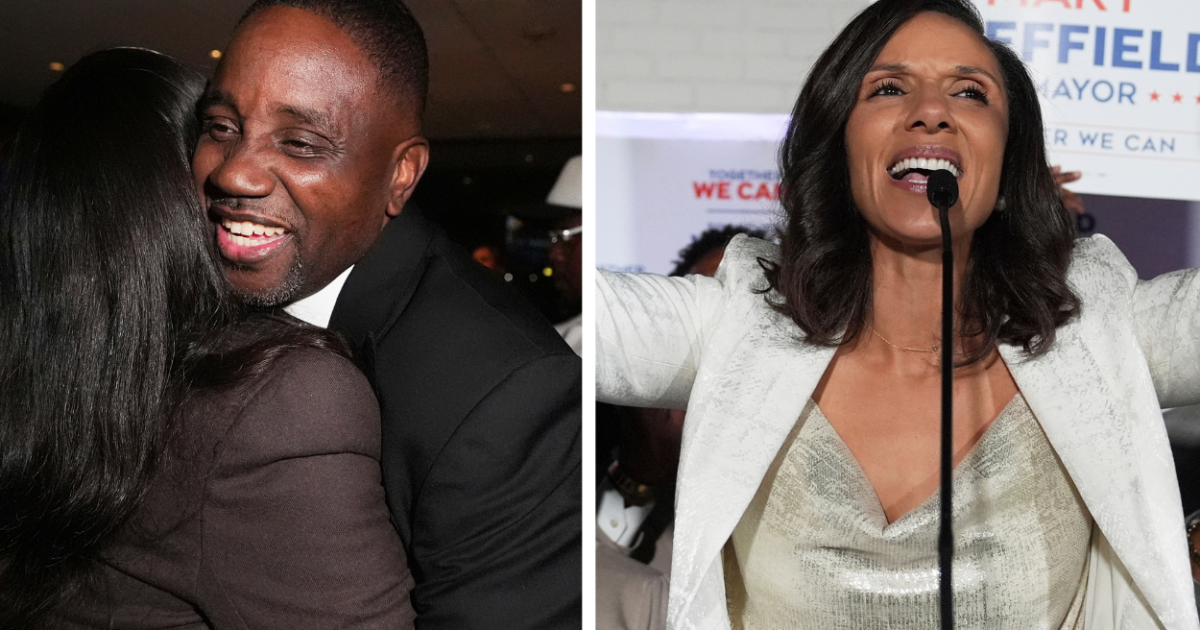
The mayoral candidates of Detroit took center stage during a recent debate aired by WXYZ-TV Channel 7, where vital topics such as crime, infrastructure, and community growth were fiercely discussed. City Council President Mary Sheffield and Reverend Solomon Kinloch Jr. presented their contrasting views, each aiming to capture the attention and support of Detroit voters.
A significant focus of the debate was the pressing issue of violent crime in the city. Kinloch voiced strong criticism of the current administration, labeling it as “failed leadership” and suggesting that data might be manipulated to portray a false narrative of safety. He stated that residents deserve to feel "safety and justice." In response, Sheffield acknowledged the tragedy of any loss of life, claiming that even one incident is “still far too many.” She pointed to the positive trend of declining crime rates and put forth her initiatives, which include establishing an Office of Gun Violence Prevention, enhancing mental health crisis intervention, and providing year-round employment opportunities for youth.
Reverend Solomon Kinloch Jr. addresses the press following his debate with Council President Mary Sheffield. Zena Issa/ Michigan Public
The discussion then shifted to public safety measures, specifically the idea of deploying the National Guard in the city. Sheffield expressed her opposition to “militarizing our neighborhoods,” advocating instead for federal assistance to address root social issues such as job training and housing. Kinloch, while open to collaborating with the National Guard, emphasized the need for such action to be non-invasive, rejecting any notion of "martial law."
As the candidates spoke about revitalizing Detroit neighborhoods, Kinloch proposed utilizing Land Bank resources for low-interest loans and grants to support community enhancements. Sheffield, on the other hand, aimed to establish a Neighborhood Improvement Fund to finance grant initiatives for home repairs while holding absentee landlords responsible for their properties.
Education was also a central theme, with both candidates recognizing the need for partnership with educational leaders, given the mayor's limited authority over the school system.
On the topic of infrastructure, Kinloch committed to working with the Great Lakes Water Authority alongside federal and state partners to improve aging water and sewer systems, questioning the performance of current utility fees. Sheffield highlighted the necessity for resilient infrastructure, referencing programs like the Basement Backup Protection Plan aimed at reducing flooding in homes.
The candidates addressed employment and poverty concerns as well, with Sheffield advocating for investments that incentivize residents to obtain certifications for higher-wage jobs. In contrast, Kinloch introduced the idea of a Children’s Trust Fund to financially support children during their formative years, aiming to help them pursue business opportunities or higher education.
Mass transit emerged as another critical issue, with Kinloch calling for competitive wages for transit workers and dependable vehicles. Sheffield countered by discussing a recent $20 million investment in public transportation aimed at decreasing wait times for riders.
In their concluding remarks, Sheffield highlighted her extensive track record over 12 years in service, asking voters to allow her to “finish the work” of improving Detroit. Conversely, Kinloch pointed to the persistent challenges of crime and poverty, advocating for new leadership that represents all Detroit citizens, not just those in central areas of the city.